Preface
Before leaving Taiwan, a friend told me about Open House Worldwide — which was how I learned that beyond the annual Open House Taipei (打開台北), many cities around the world run similar events: designated periods when cities open up spaces that are usually inaccessible or overlooked, inviting the public to visit. Last year I went to a few sessions of Open House Taipei and Open House NTU (National Taiwan University), and I genuinely enjoyed the experience of being introduced to a space by a local or guide — especially since most of these spaces are ones we walk past in ordinary life. (My most surprising discovery: the NTU examination hall.)
I dug into the website and found that the Netherlands wasn’t among the partner cities — which surprised me. The Netherlands is such a country for playing with space (?) that the absence of an open architecture event seemed odd; I even briefly considered planning a trip to another city to experience something similar.
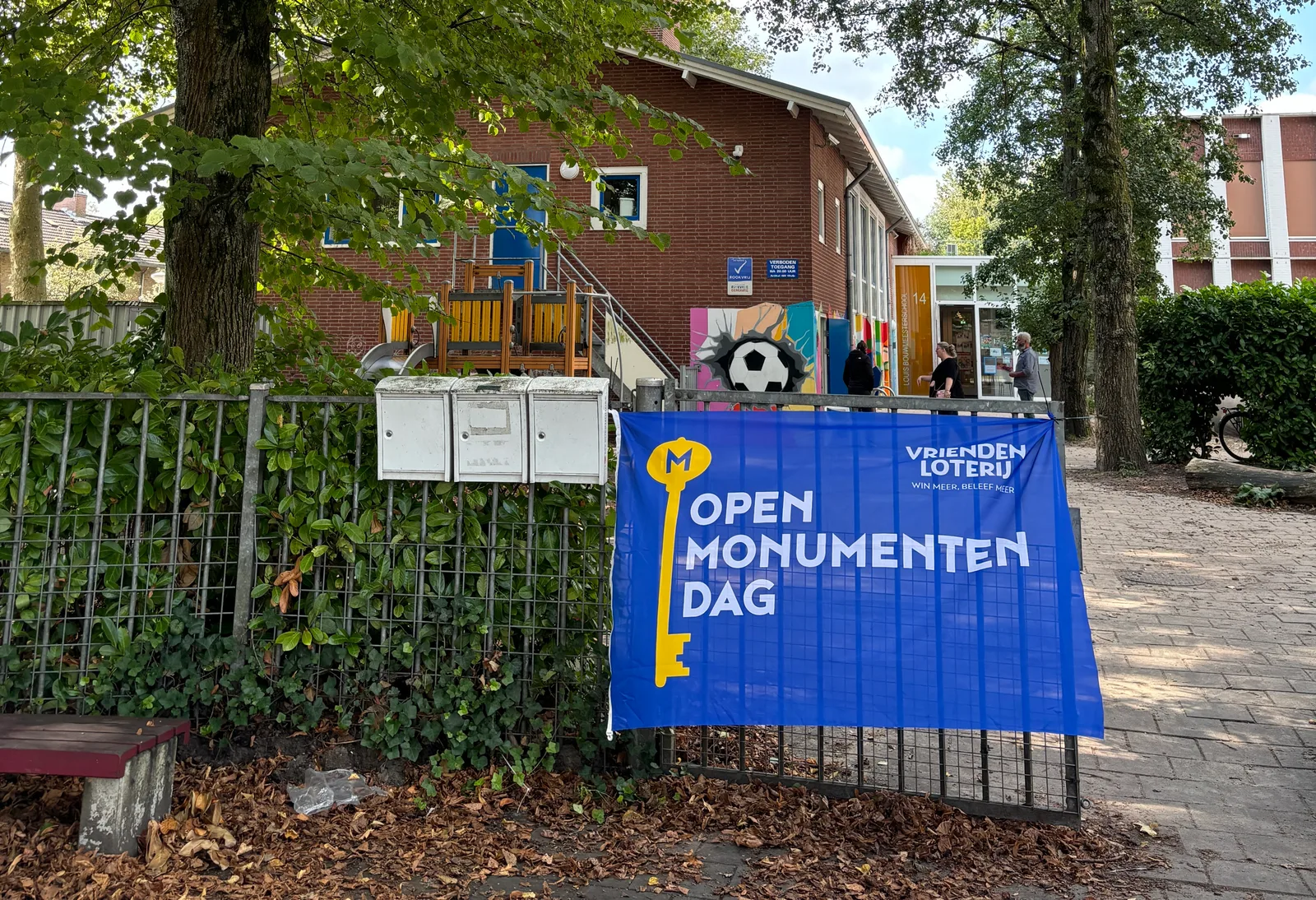
Only later did I discover that the second weekend of September is Europe-wide Open Heritage Day. Across dozens of Dutch cities, thousands of historic monuments are open for free — including some remarkable facilities that are normally closed — and many venues offer free tours, lectures, and workshops.
So I found a friend, got on our bikes, and headed out.
Fort of Hoofddijk
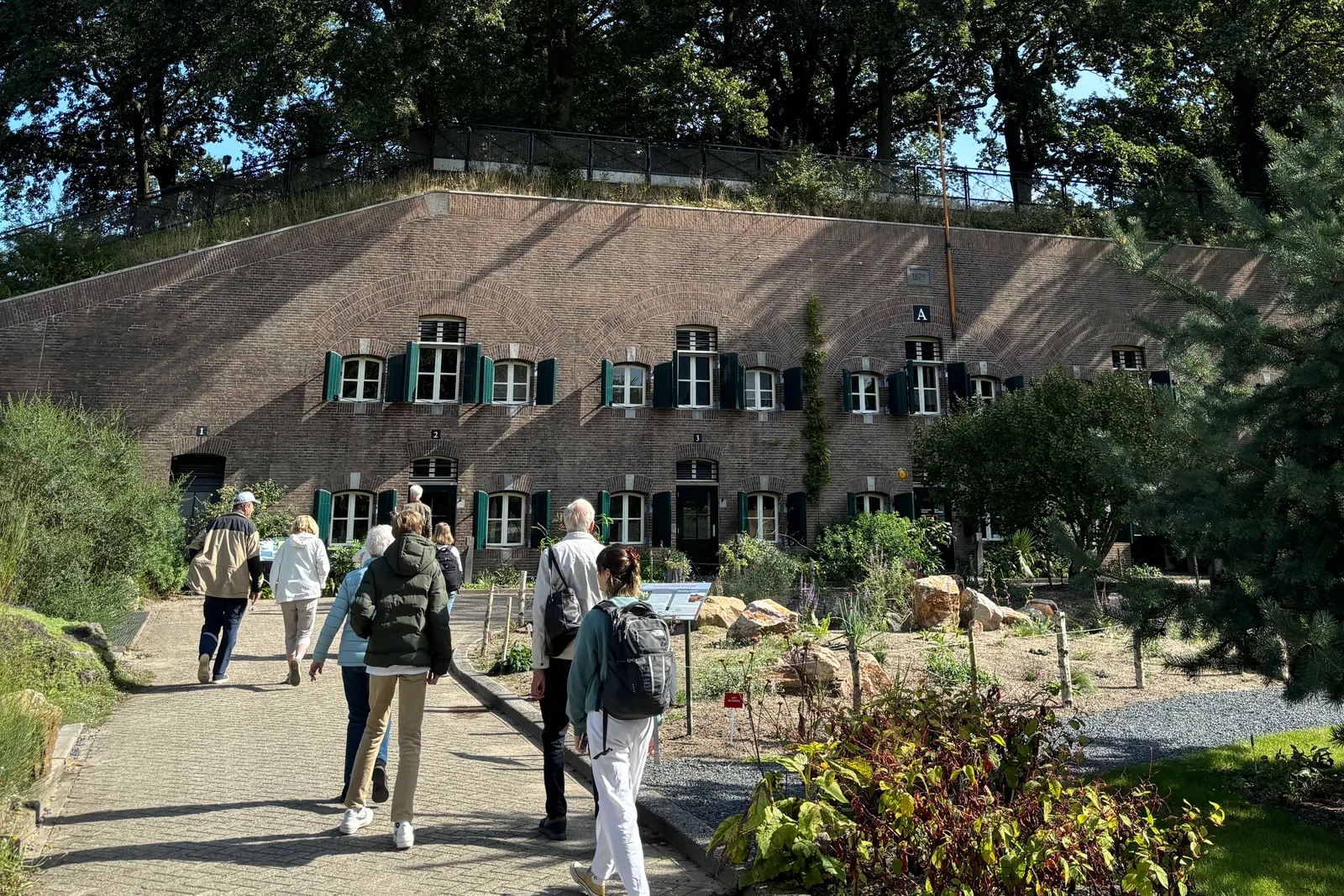
First stop: a historic fort inside the university botanical garden! In the eighteenth and nineteenth centuries, the Netherlands built a series of fortifications along the Utrecht province coastline to resist invasion from the north. This is one of them. The fort’s foundations sit above sea level — in those days, the Dutch hadn’t yet mastered water management, so fortifications were built along the coast to exploit the natural terrain for border defense. It sounds impressive, but in practice the fort did little good in any of the wars it faced. From Napoleon to the German invasion in World War II, Utrecht fell within a day.
After the war, the nuclear age rendered such fortifications obsolete for defense. When Utrecht University expanded onto a new campus after the war, the fort — which sat on that land — was transferred to the university. It has since been converted into a geomagnetism laboratory. The guide explained that because the concrete in old buildings contains no metal, it doesn’t interfere with geomagnetic measurements — making it a nearly ideal research space.
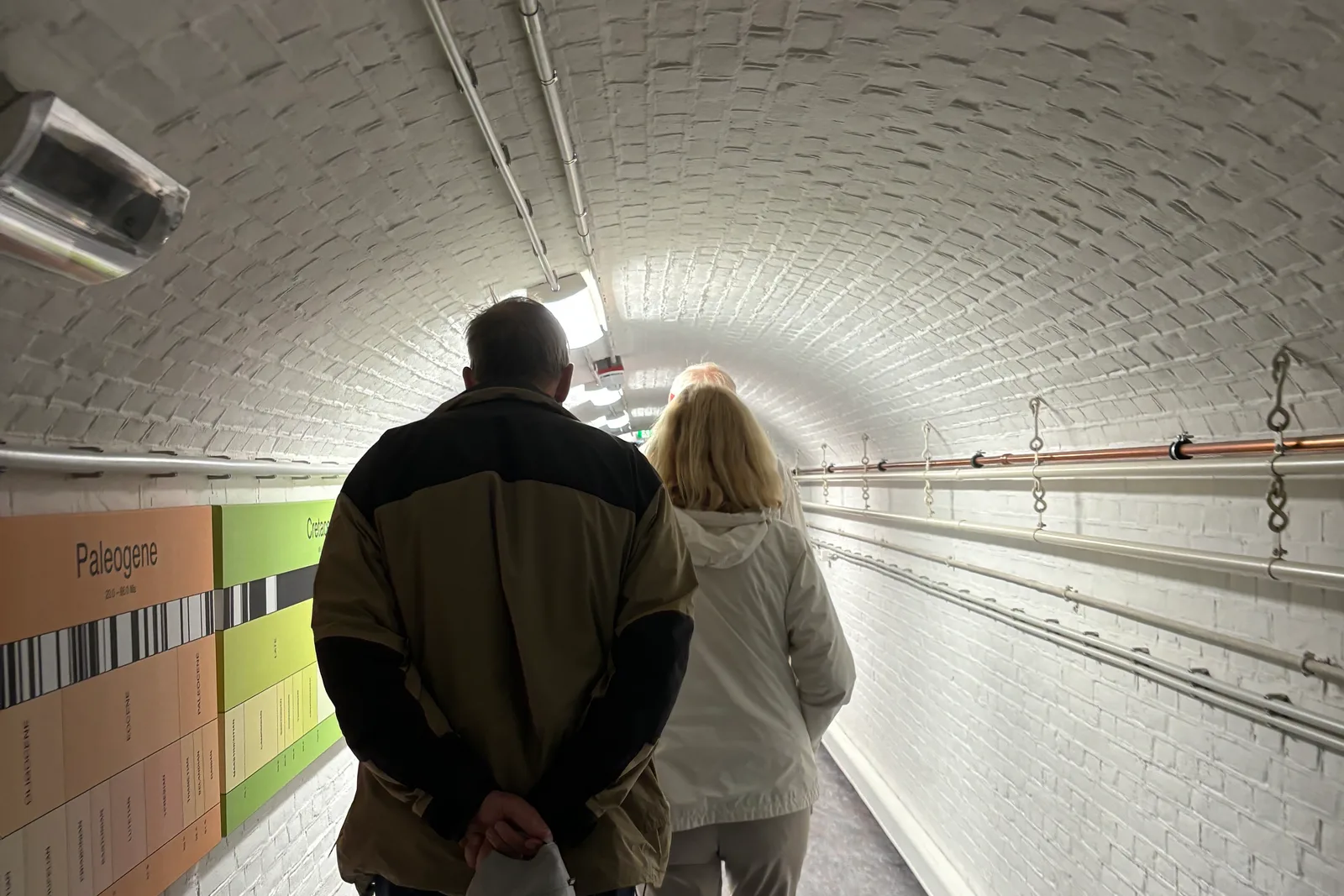
Inside, the ceiling nearly brushed my head — and I’m not particularly tall by Asian standards. Artillery rooms, storage rooms, guard posts — no heating in the old days, so soldiers endured bitter winters warmed only by a small kerosene lamp, on endless standby.
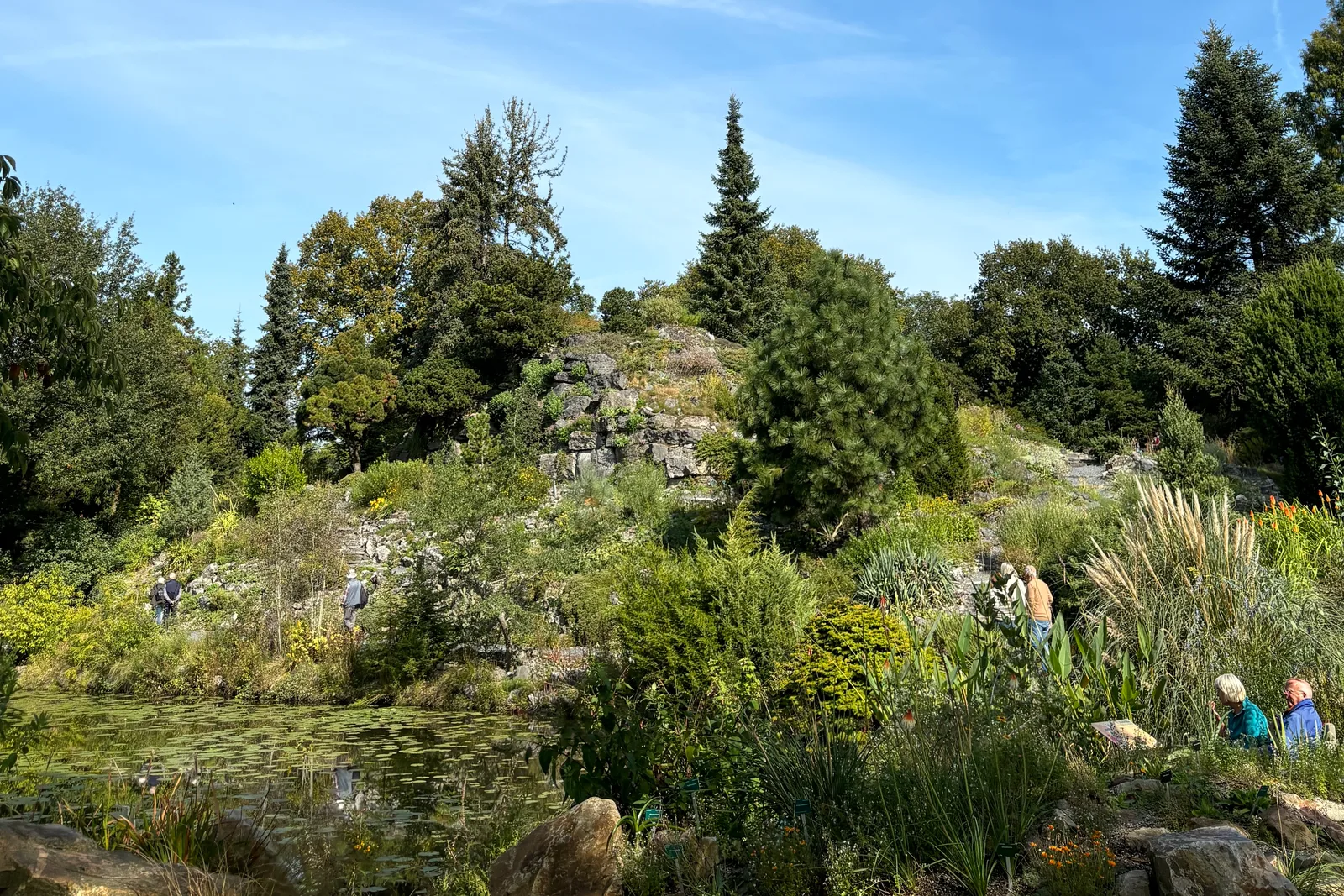
The botanical garden itself is interesting too. Utrecht University is the Netherlands’ first comprehensive university, which means its original botanical garden in the city center was actually meant for growing medicinal herbs. The current garden, built later, grows plants from all over the world, from tropical to arctic — there’s even a dedicated greenhouse for desert plants.
Prison Wolvinburg
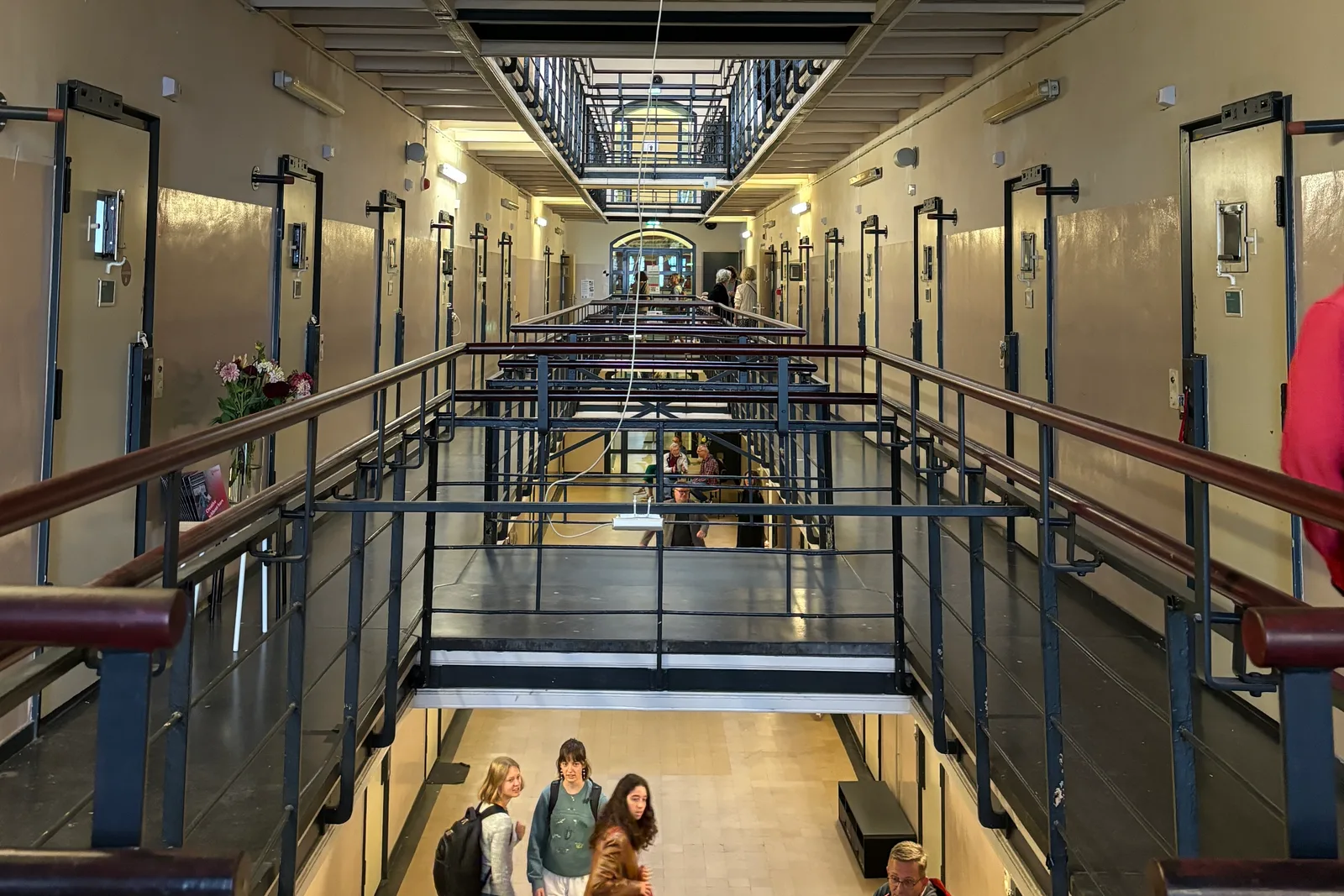
Utrecht’s historic prison. Before the nineteenth century, the Netherlands had no prisons as such — criminals were locked in towers at the city’s edge. It was under Napoleonic occupation that legal concepts and the idea of imprisonment were introduced, and in the 1850s, modern prisons began to be built across Dutch cities to house larger numbers of inmates. This is the second modern prison built in the Netherlands. Over the years it served as prison, remand center, and reform school — until it closed ten years ago, when the inmate population fell and the building could no longer serve its function.
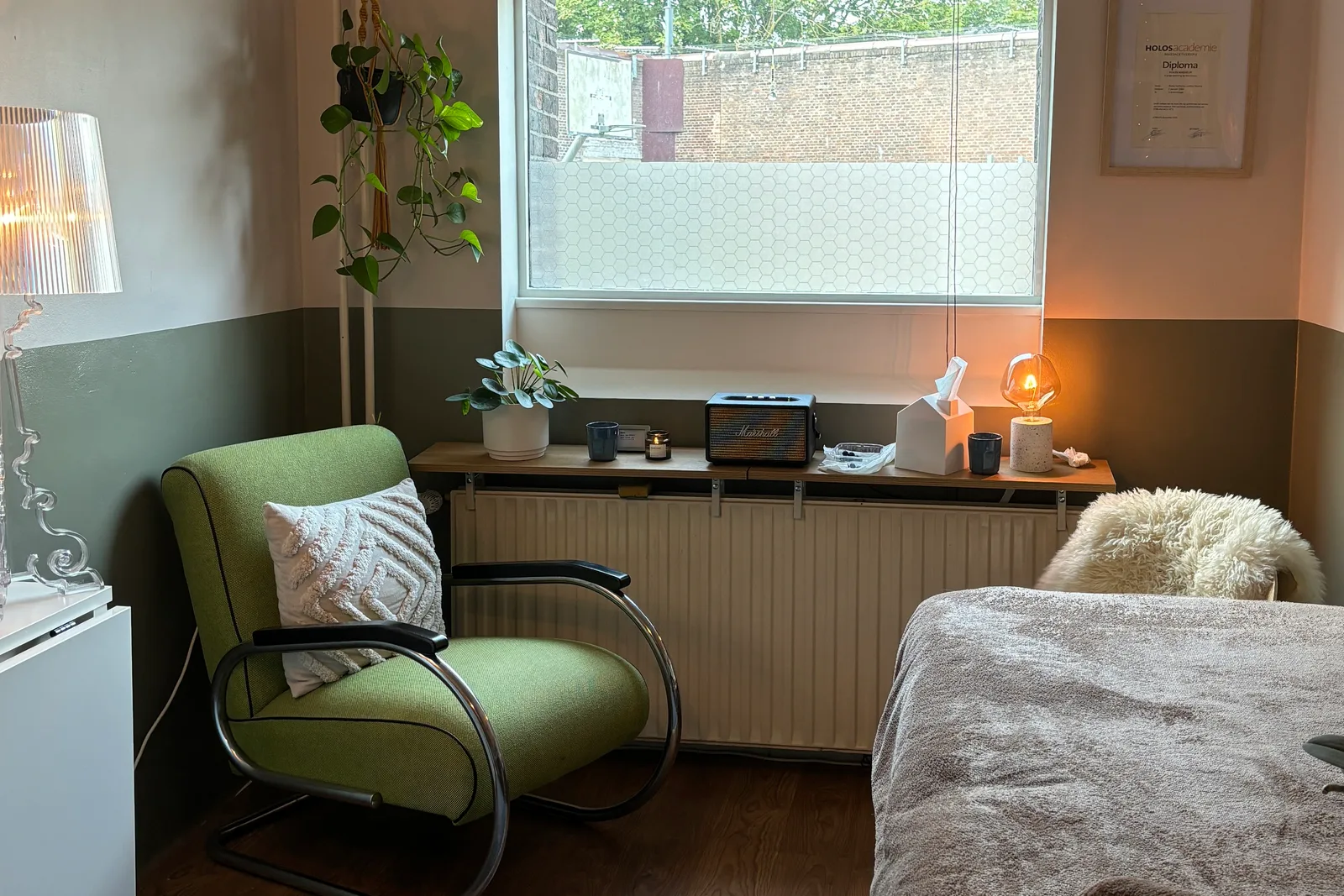
Three floors of cells were visible from every angle, visitors’ footsteps ringing on the iron staircases. Today, the individual cells have been converted into rentals for artists and independent workers — personal studios, art spaces, acupuncture clinics. An inventive form of adaptive reuse. (I checked afterward and found the building has apparently been sold to a developer to be converted into rental apartments — which is a shame.)
Catholic Charity Institution Utrecht
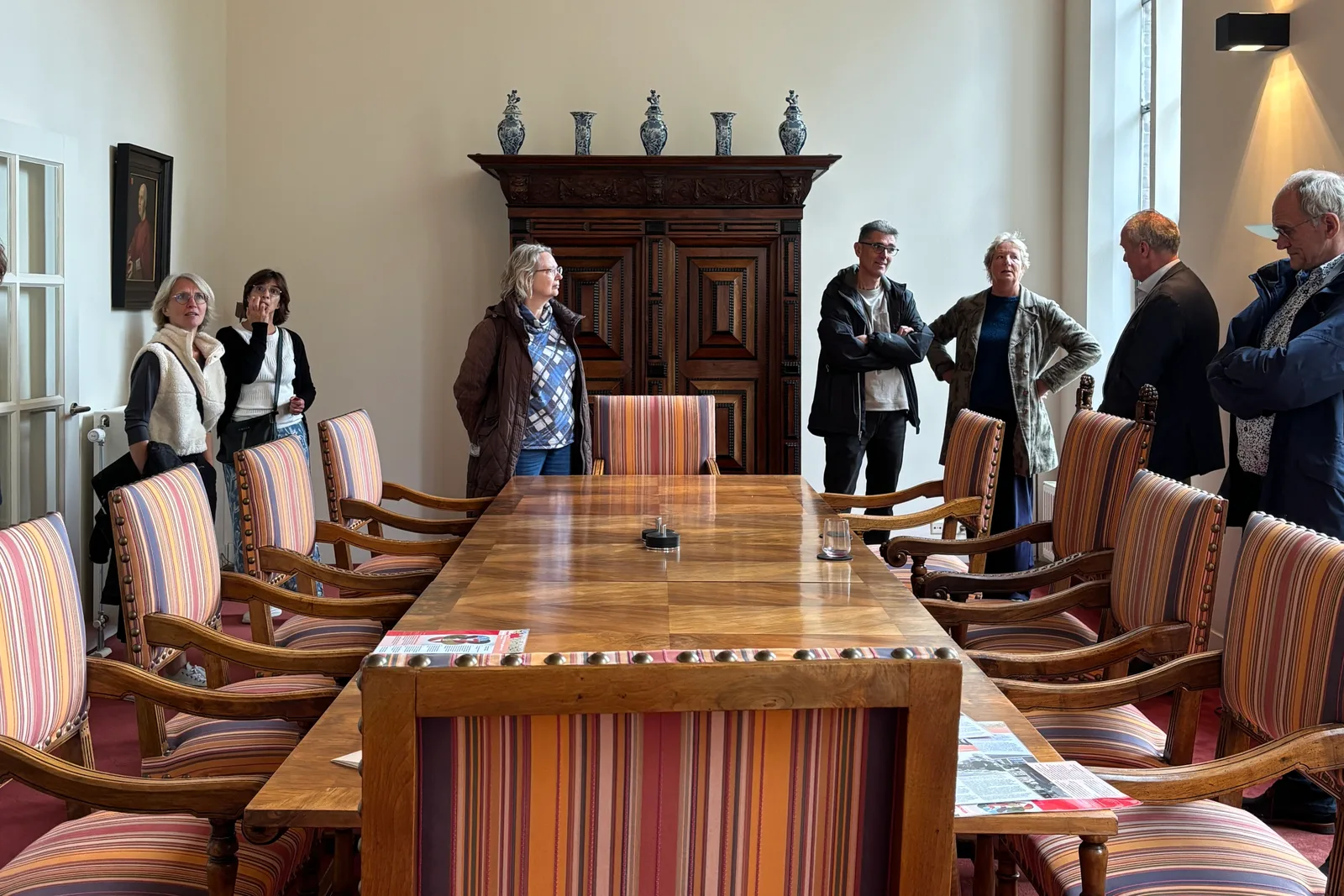
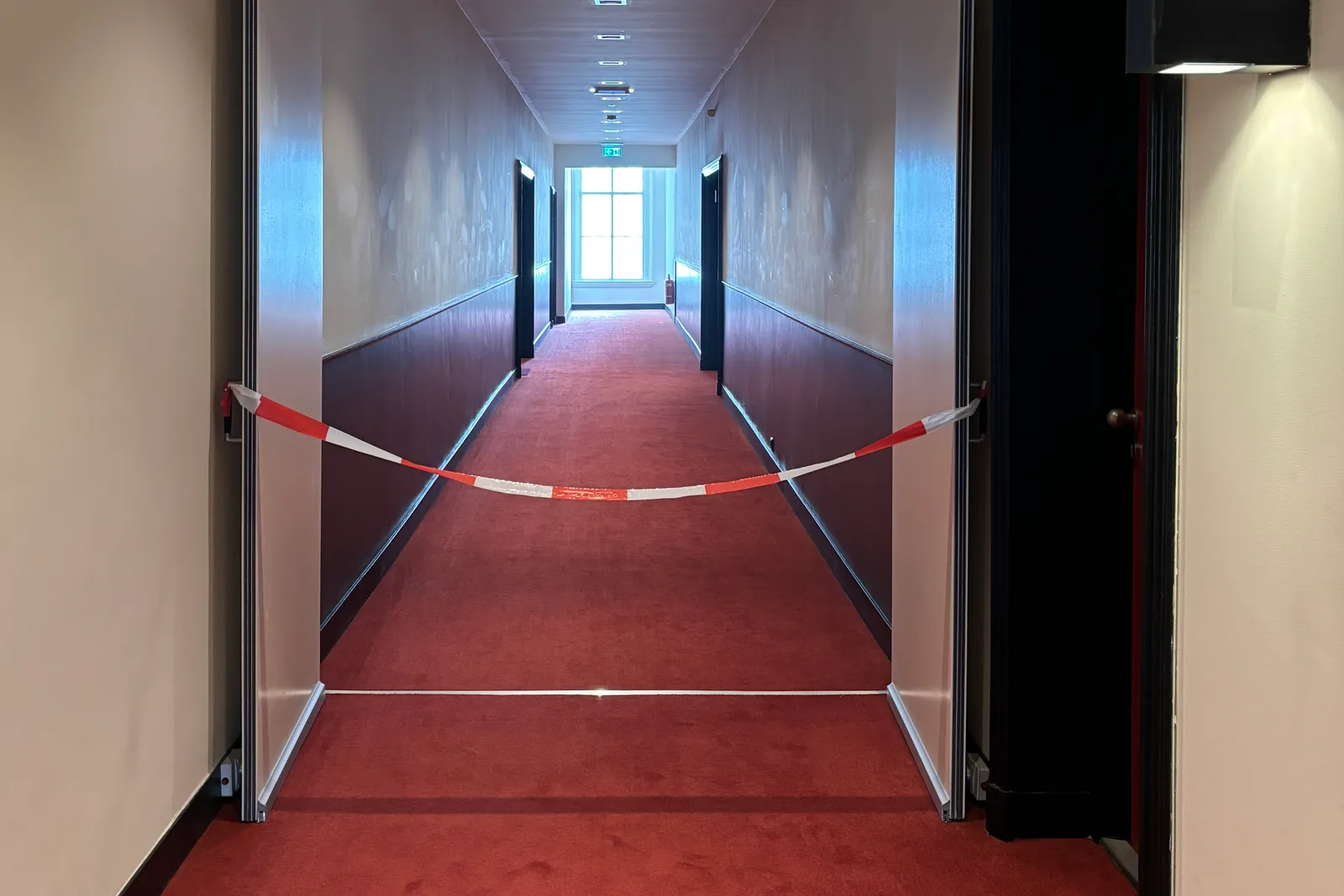
An extraordinarily grand building — tall wooden doors, ornate red carpet, soaring wide corridors. It was originally an orphanage run by the church, and also distributed food to those in need. The orphanage has since been converted into regular housing, but the one space that retains its original function is the meeting room, where the board still gathers regularly to decide how to allocate the church’s charitable budget.
I happened to start chatting idly with what I thought was a random bystander in the meeting room — only to realize he was the current board chairman.
Foundation of Renswoude
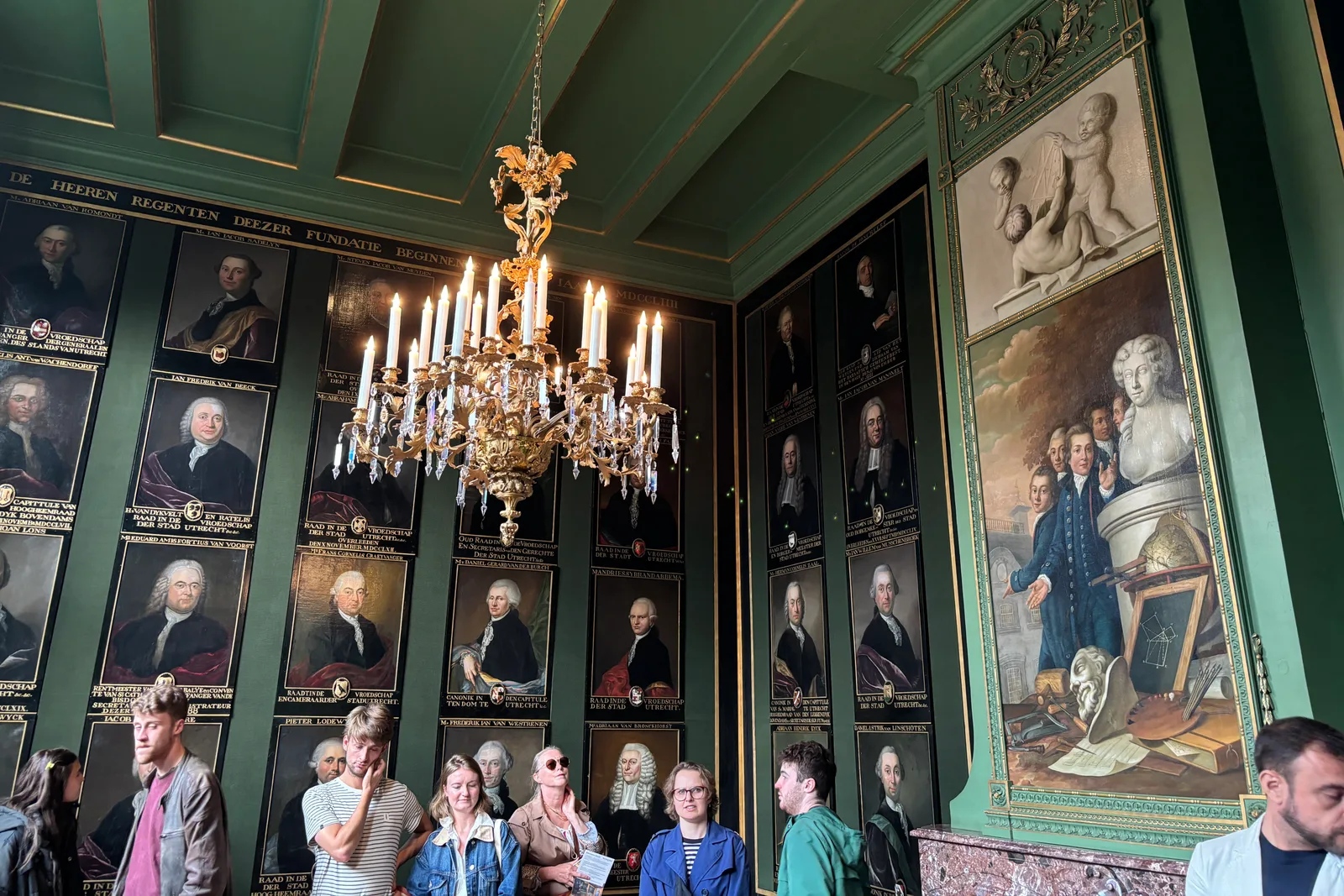
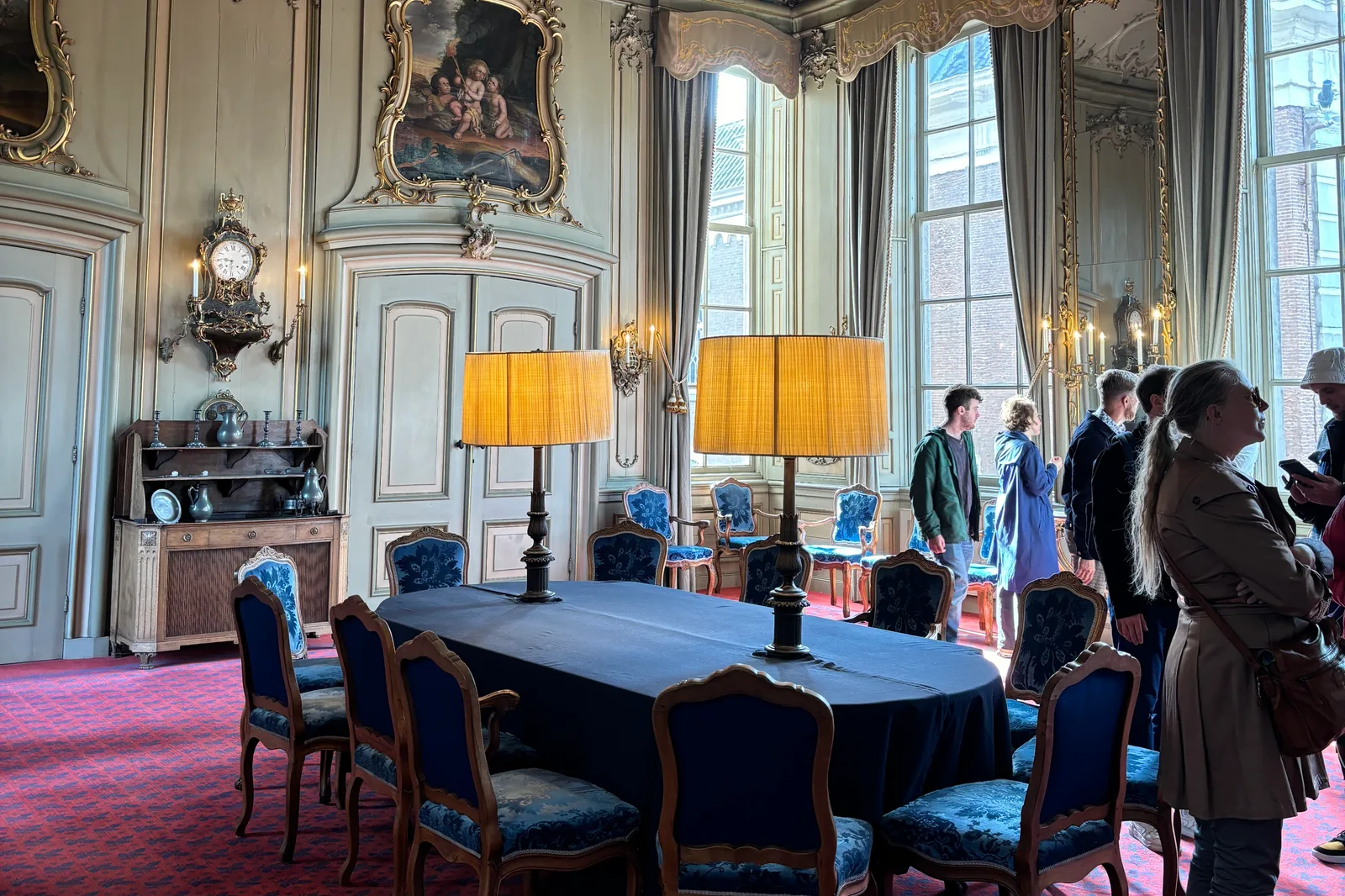
Founded in the eighteenth century, this was once a school for orphans, providing free primary and higher education. The entire building and its endowment were donated by a noblewoman of distinguished lineage. The building is extraordinary — Rococo style, lavish throughout, nothing about it suggests a school. One room is hung with portraits of former students who went on to distinguished careers.
An interesting footnote: her last husband was not heterosexual, and was caught up in Utrecht’s large-scale persecution of LGBT people at the time. His title was high enough that he escaped punishment, but he was effectively exiled to Utrecht — which may also be why the couple had no children, and felt free to donate their estate.
The building is striking, but the experience of visiting was unfortunate: visitors were required to follow the guide and could not move independently — and the only option was a Dutch-language tour. I spent the time catching stray key words, quietly drifting, and discreetly observing the rooms.
Louis Bouwmeester School
The first day was so good that I spontaneously decided to continue in Amsterdam on Sunday.
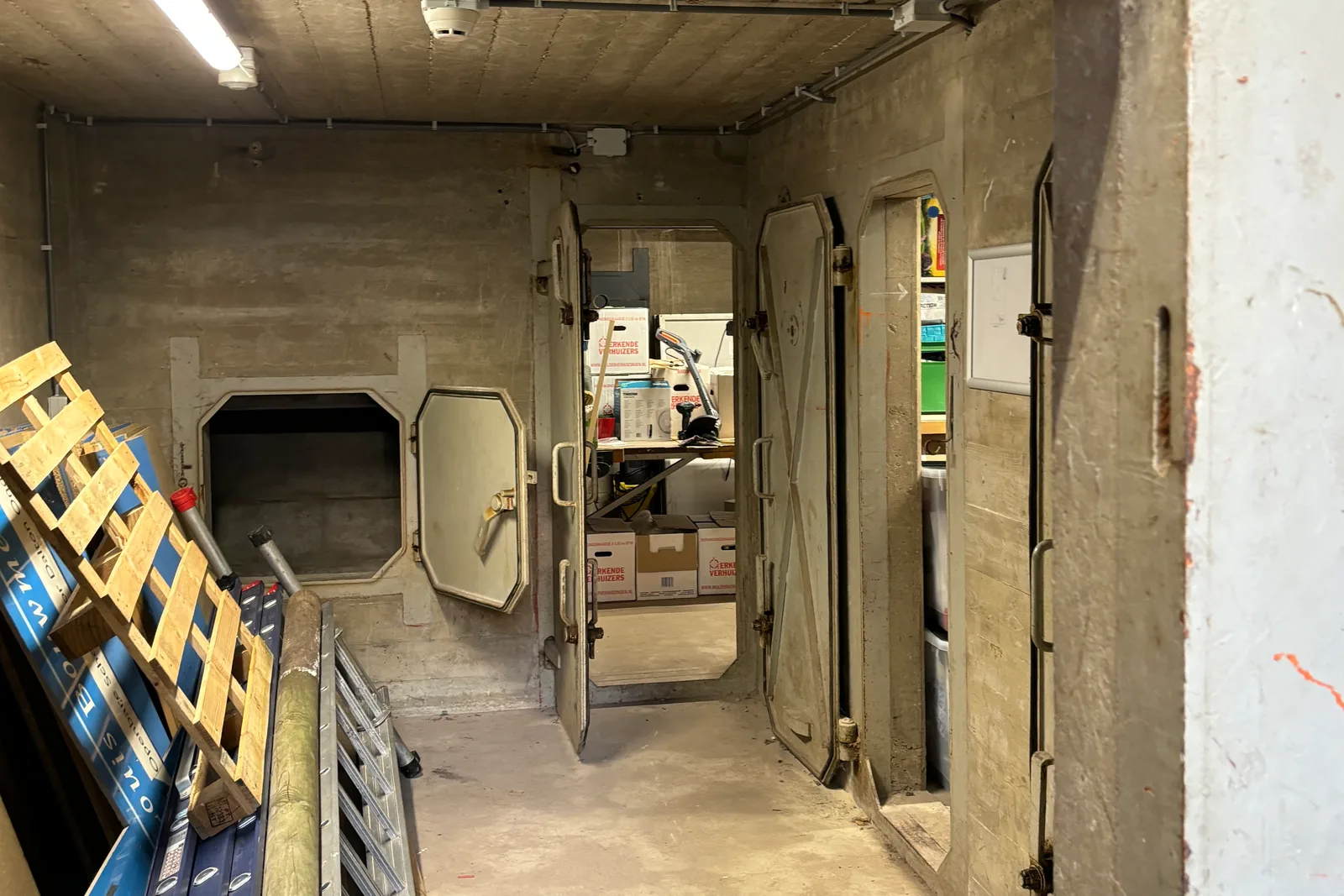
The Louis Bouwmeester School is in a new residential district on Amsterdam’s west side, and beneath it is a Cold War air-raid shelter. During the Cold War, the Netherlands broke from its past neutrality and moved firmly toward the United States, becoming one of the EU’s most reliably pro-American partners (?). The price: the Netherlands became one of the Soviet Union’s primary air-strike targets. The atmosphere was anxious; schools suspended classes; air-raid sirens went off one after another.
In those years, most households had underground rooms to shelter from air raids, while this shelter was for travelers from out of town or pedestrians caught outdoors when sirens sounded. The guide said there were thousands of such shelters in Amsterdam, especially in the east side.
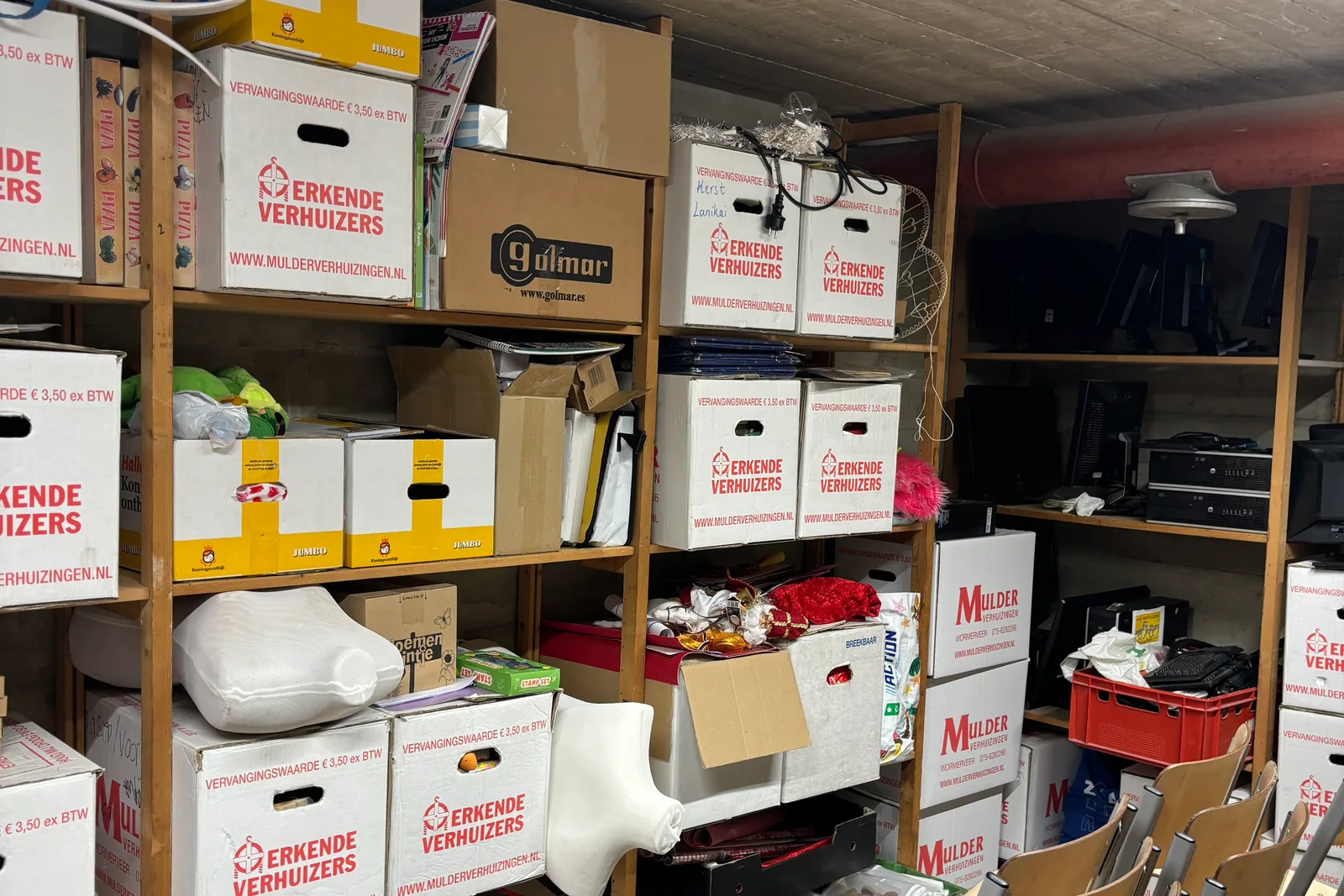
The shelter’s shell remains intact today — the pneumatic door, the ventilation system — but inside, the space is now packed with children’s textbooks and toys. The contrast is striking.
M.S. Vaz Diasbrug Bridge
At the previous venue, I’d struck up a conversation with a friendly elderly guide, and asked if he had any recommendations. He pointed to two spots on the map: the train station and a canal-side shelter. He suggested going to the latter first — the queue might be very long, and if I was lucky I might see both. Better to start there.
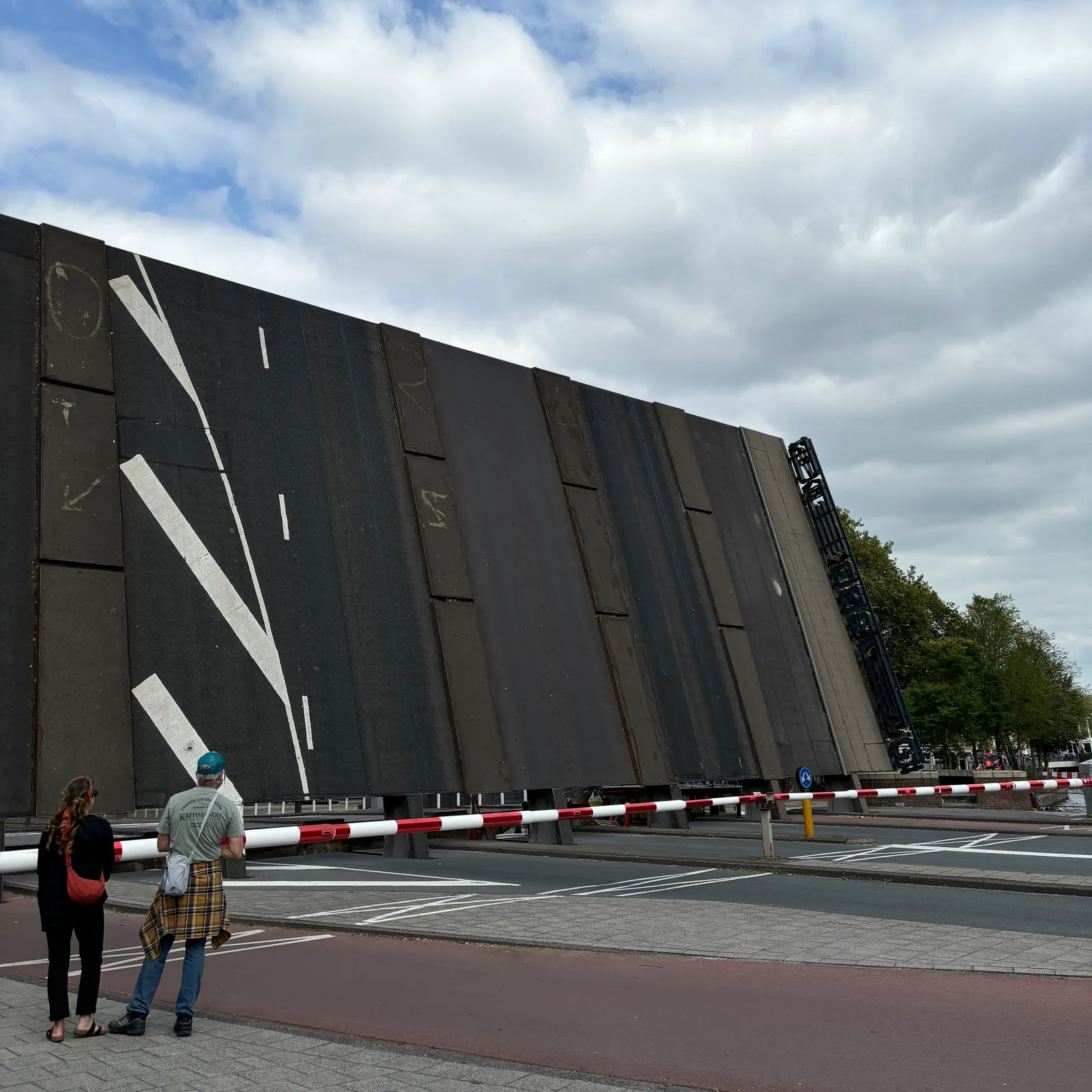
I glanced at my watch: four hours left until closing. How could two spots possibly take that long? I arrived to find the bridge absolutely lined with people, and after half an hour there had been no movement at all. In the end I waited over two hours to get in — it became my last stop of the day. While waiting, the drawbridge happened to open for a canal boat, and I excitedly filmed the whole thing.
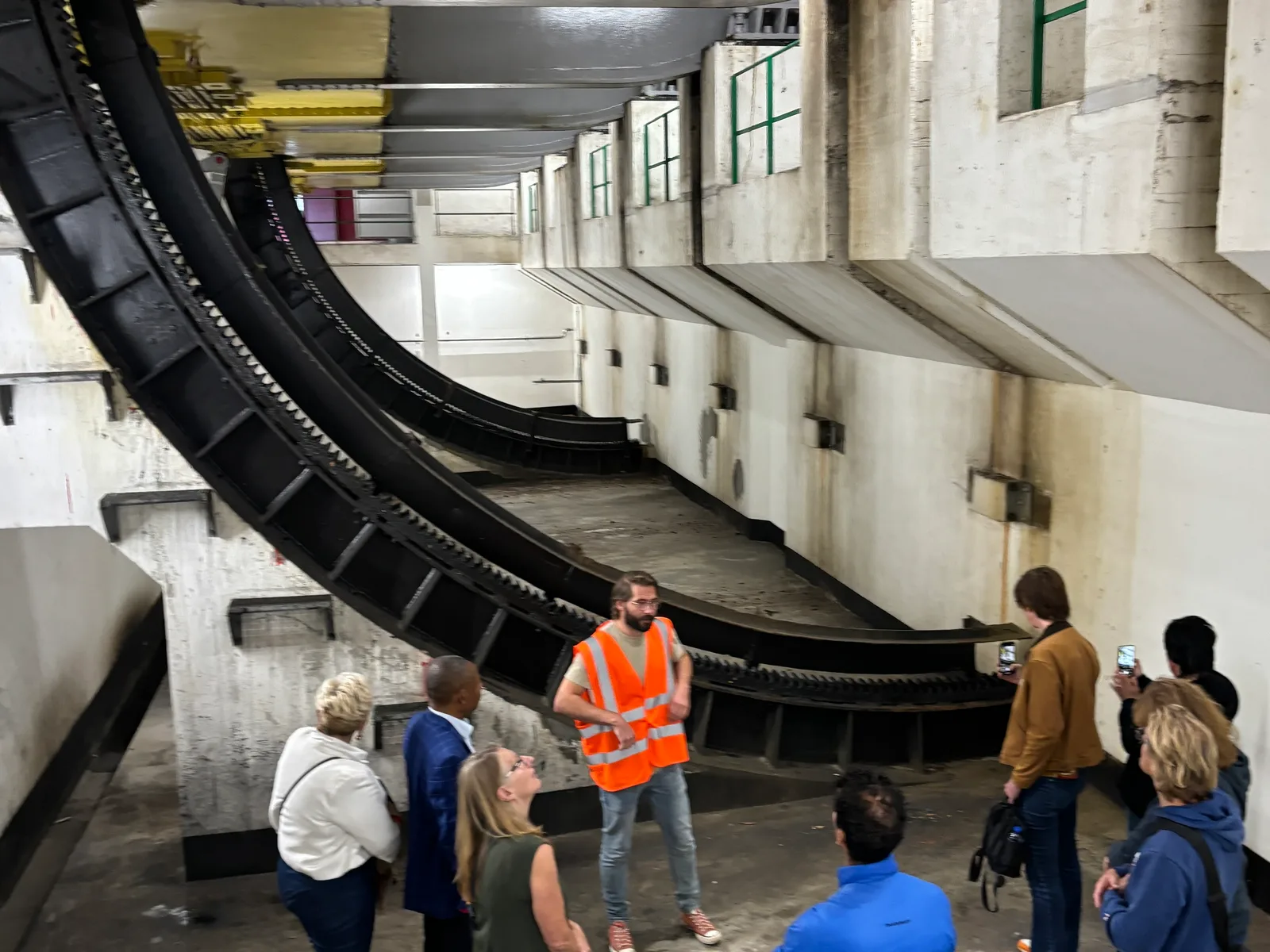
Down a spiral staircase, through a corridor wide enough for one person — and then, unexpectedly, a working room nearly three stories high.
Inside were two spaces. The first was the control room for the bridge: massive counterweights and gears that raise and lower the deck, and an automated traffic control system. Watching the bridge rise in operation was genuinely impressive.
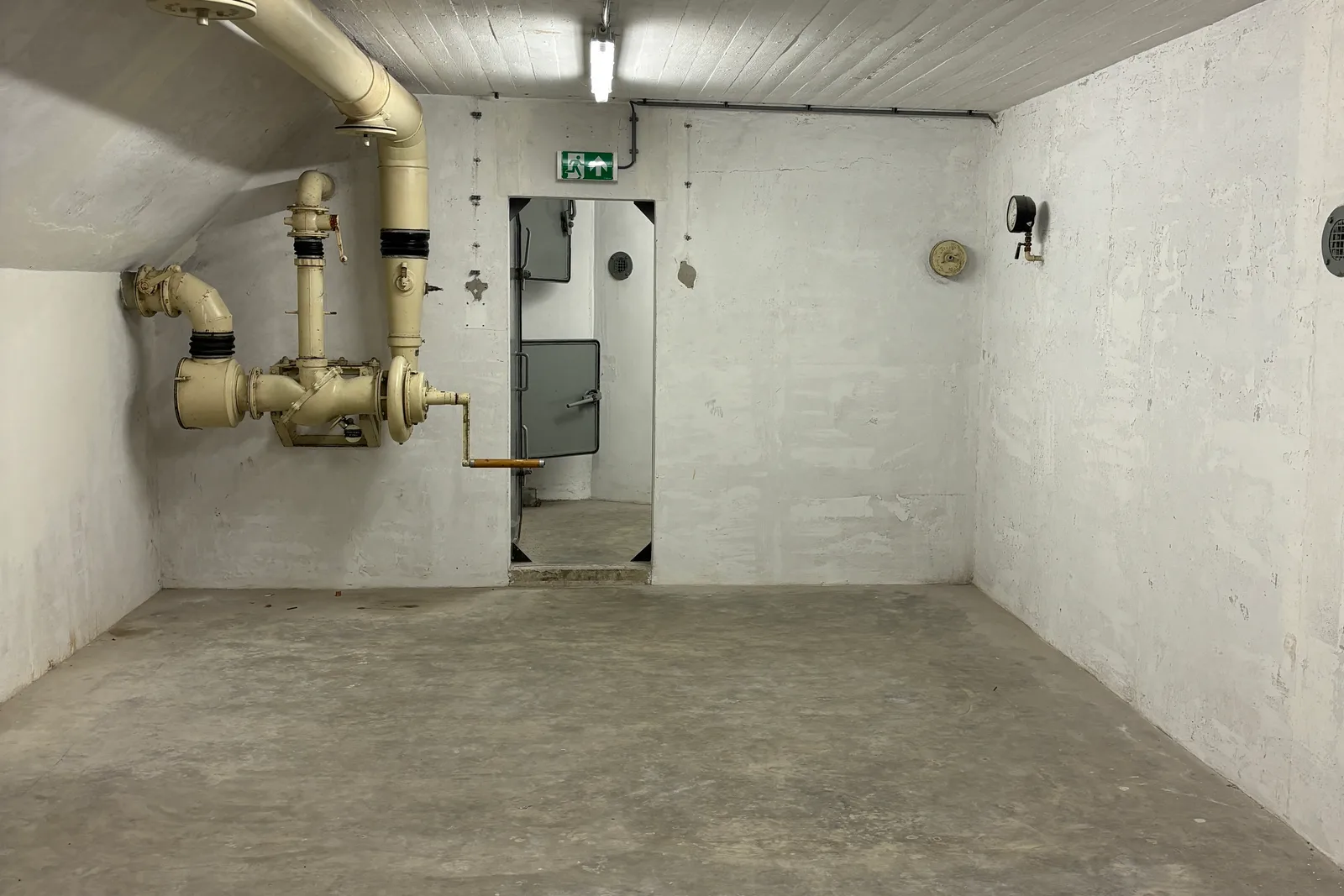
The second room was a Cold War nuclear disaster shelter: double-layered blast doors to block nuclear contamination, a filtered air supply system, manual pressure valves, pressure gauges, and an exhaust-only ventilation system. Maximum capacity: three hundred people. No food or water stored. In the event of a nuclear attack, it could sustain survivors for four to six hours at most.
Open House vs Open Monumentendag
Back home, I thought about how Open Heritage Day compares to the Open House events I’d participated in before. The line between them isn’t sharp — even Open London is simultaneously a partner of both Open Heritage Day and Open House.
But if I had to draw a distinction: this event leans toward opening up monuments and heritage sites, and most tours center on the historical arc of a space. Open House tends to focus more on opening up architecture and exploring the city itself — it’s also an opportunity to encounter unusual spaces in urban life. When I attended Open House Taipei, I ended up discovering an NGO and a design studio — spaces that could never be categorized as “heritage,” but that are absolutely worth walking into and seeing.
Who Can Understand
Going through the event, I noticed that the story and memory of a space are deeply tied to language — and many activities assumed a local audience, with Dutch as the primary language of the tours. But perhaps because of how widely English is spoken in the Netherlands, I encountered many exceptions in practice.
At the fort tour, half the group was Dutch and half was international students like me. The guide proactively offered a bilingual Dutch-English tour — and at some point, the Dutch attendees actually asked the guide to just speak English, since they could follow it anyway. If you asked questions in English, you always got a detailed response. And there was no shortage of kind people who helped translate.
I can see that English-friendliness like this requires a strong foundation in the population’s language abilities. It also made me think: at the open architecture events I’d attended in Taiwan, the assumption was never that foreign visitors might be present. But these open-space events are actually a wonderful entry point for outsiders into local culture.
The People in the Spaces
Walking through the whole thing in person made me realize how much this event requires — guides in every venue to explain and direct; docents to lead visitors through the spaces, including local residents, university staff, bridge engineers, Cold War researchers, church members, and performers appearing unexpectedly along the way. Not only a large volunteer base, but also spaces willing to be opened, stories recorded and retold, and the people who have made themselves part of those spaces.
Throughout the day, I kept turning over the question: how well do we actually know the city we grew up in? And if others were curious, how would we introduce it to them?