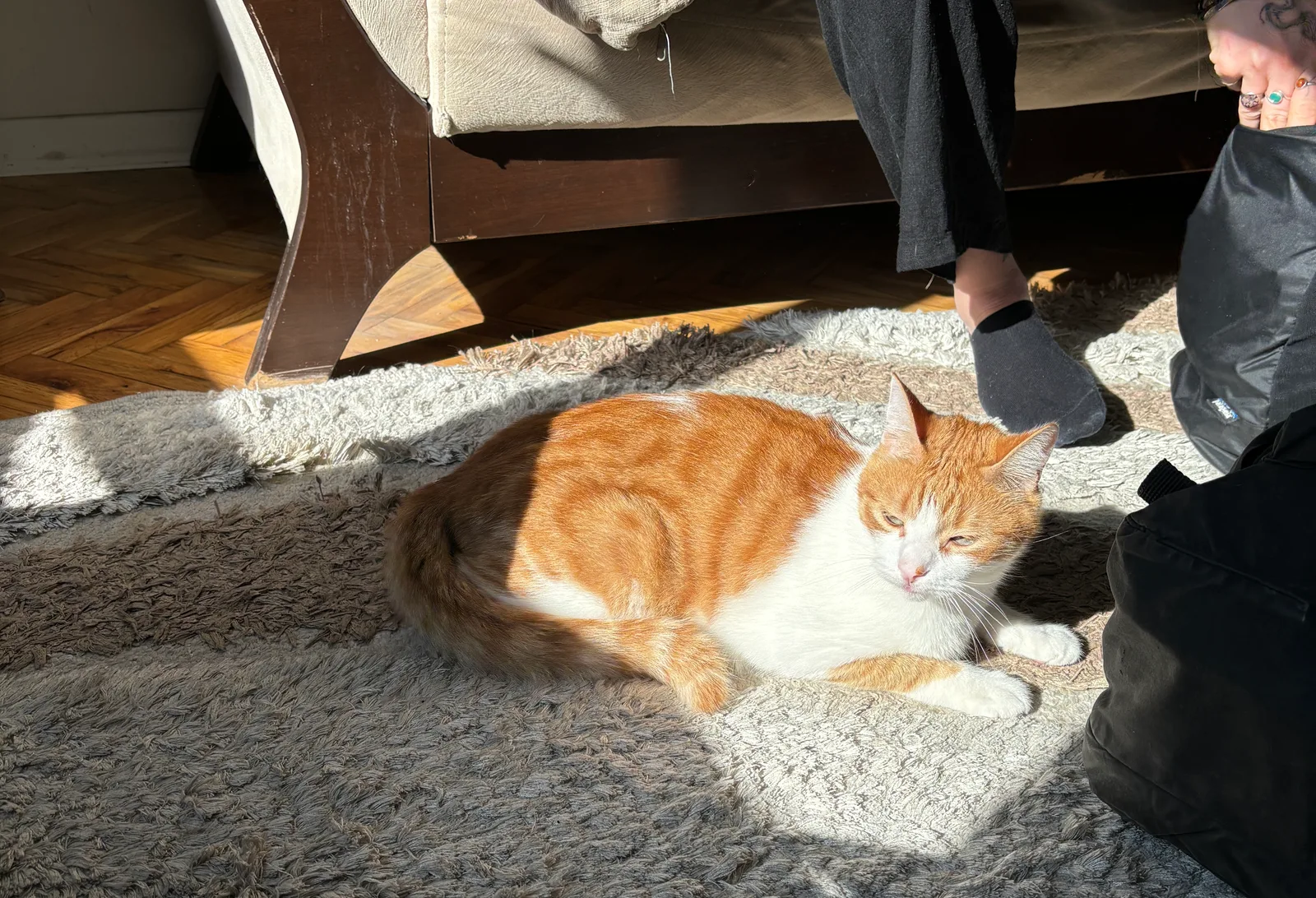
Arrival
Welcome to my house!
Seeing Yaman’s warm greeting, the exhaustion of the long journey began to lift. I had risen early that morning, and then — tram, train, delayed flight, bus, another bus — by the time I arrived, the sun had long since set.
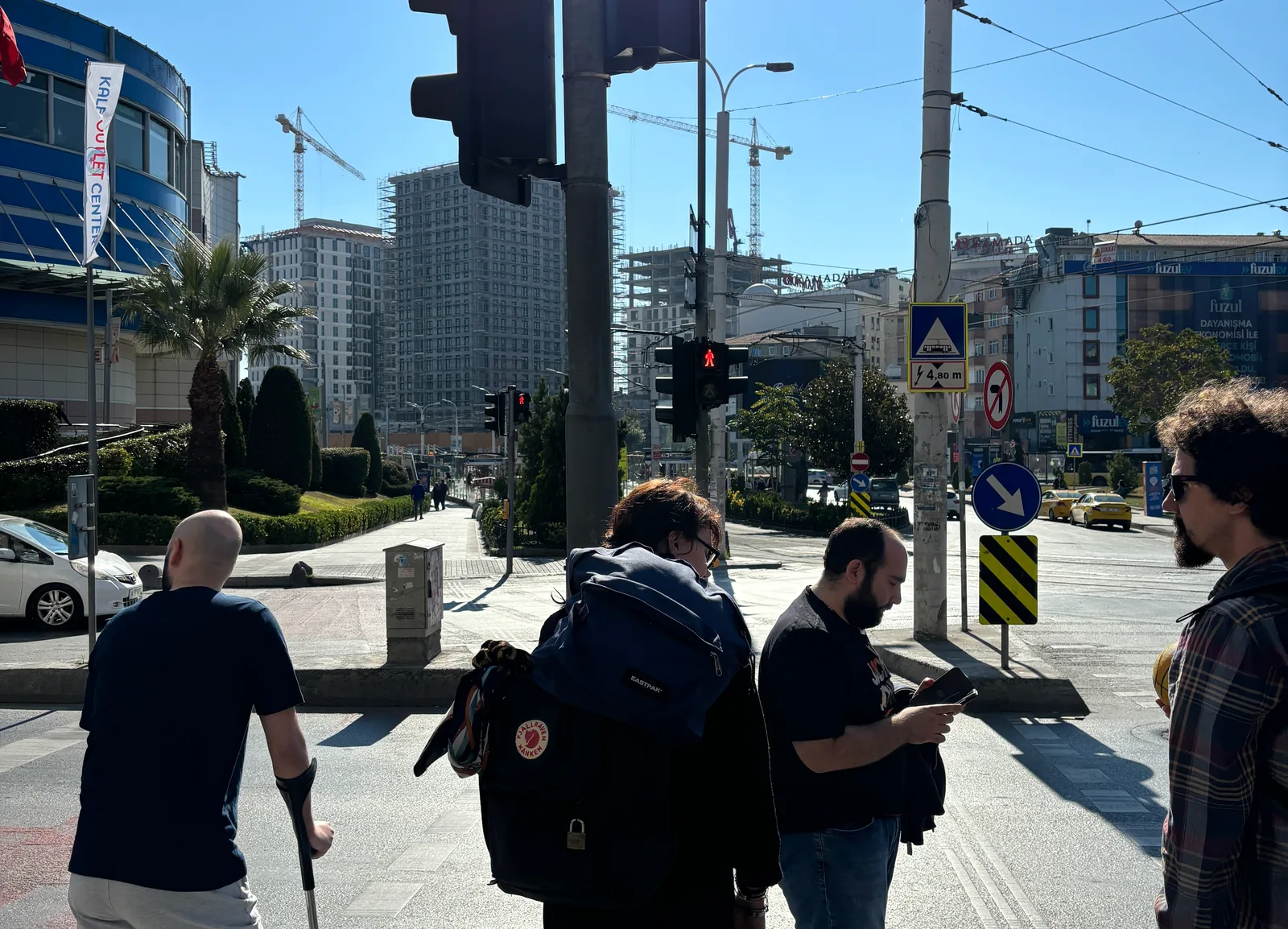
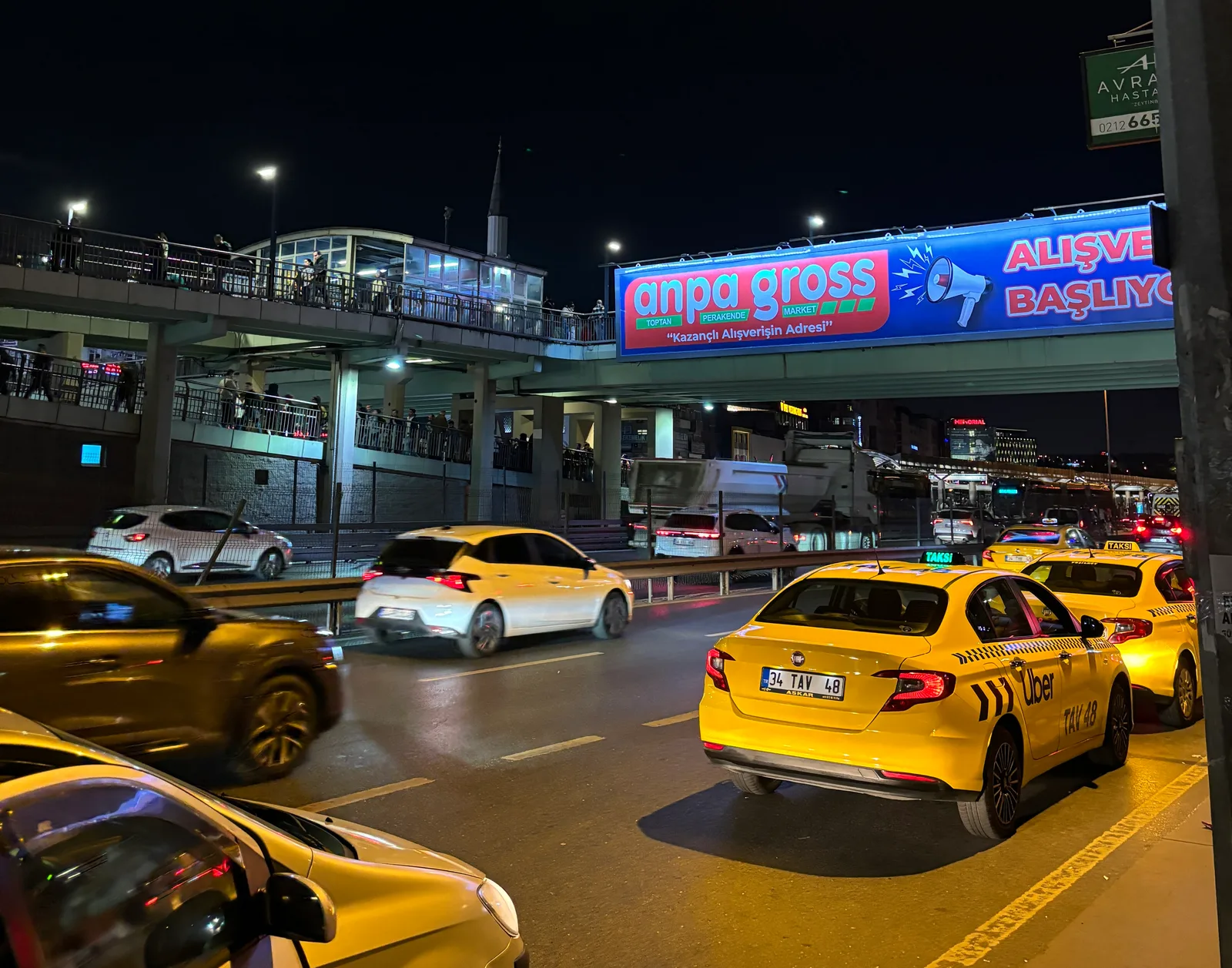
Istanbul is a city far larger than I had imagined. Getting from one end to the other, setting aside traffic and delays, takes at least an hour. From the moment I landed, I was hit by sensory experiences I had never encountered before: the impossible volume of traffic on the expressways, the dense yet somehow self-organizing streets, a sky heavy with exhaust, people dressed almost uniformly in black, the compressed distances between strangers.
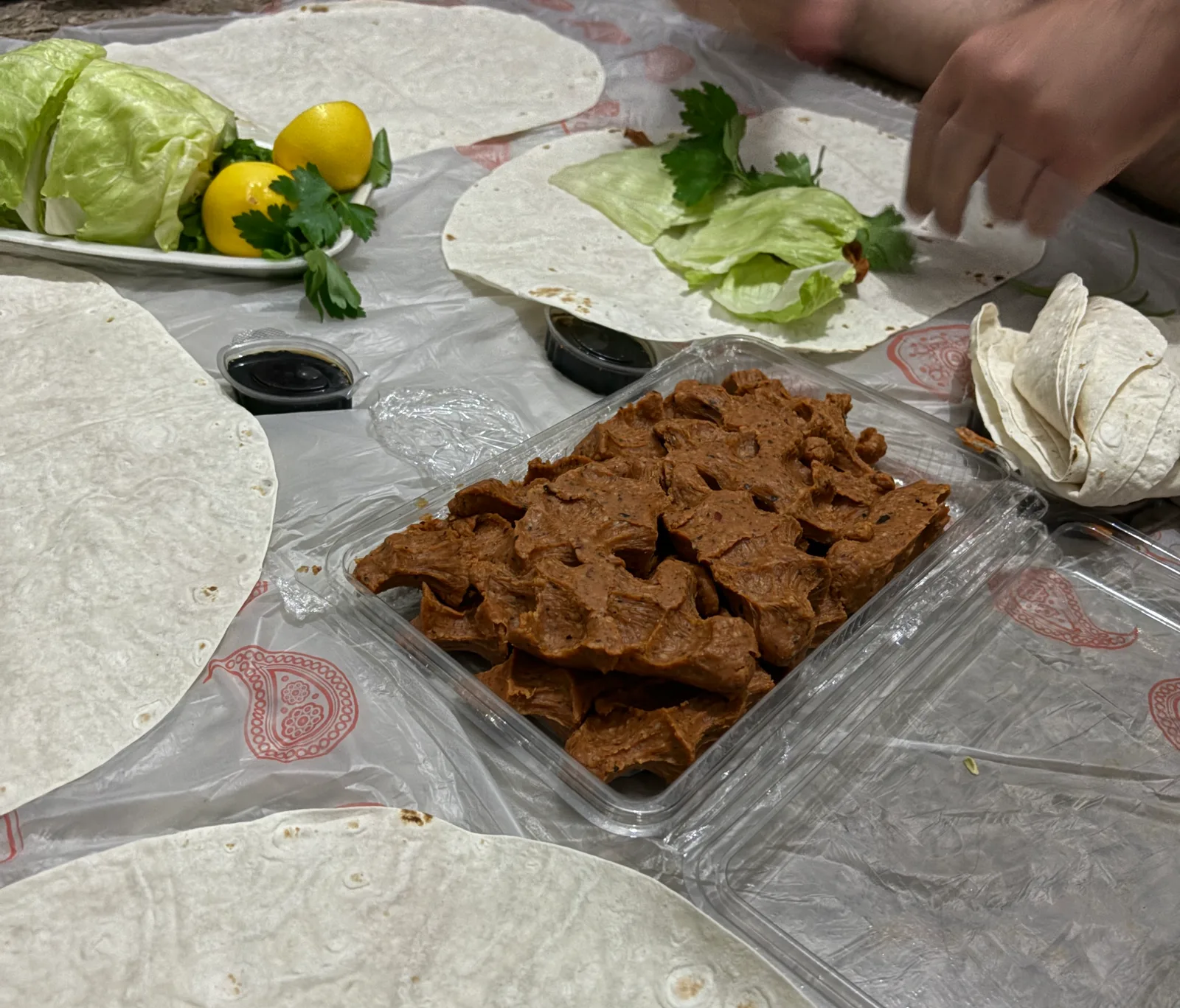
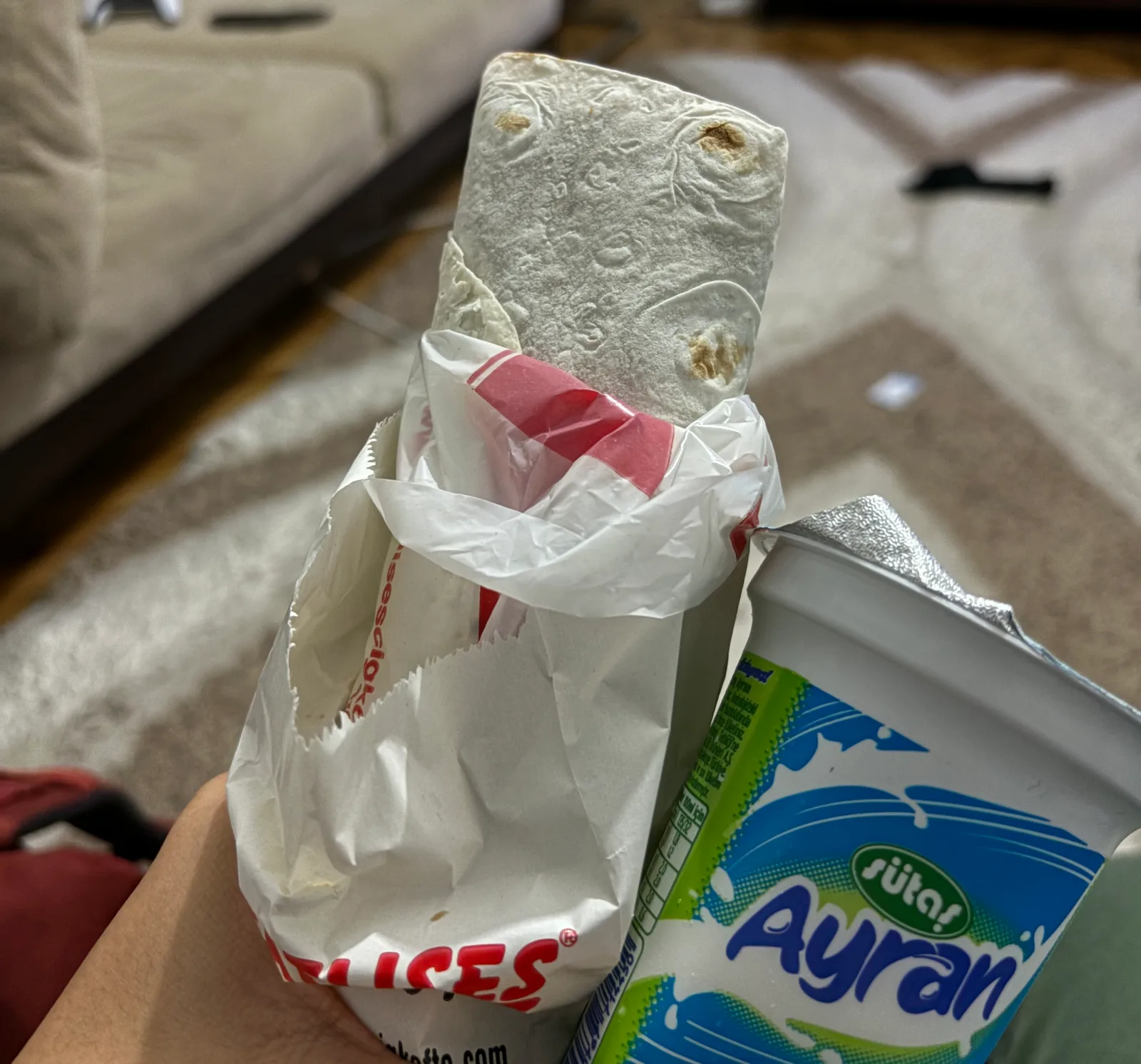
“How can I help you?” Yaman asked. I mentioned I needed to find dinner somewhere nearby. He said ordering delivery would give more options — or he could order for me. Döner, Tavuklu Pilav (rice with chicken), Çiğ köfte (spiced bulgur rolls) — he went through each one. Had I ever had Ayran (a cold salted yogurt drink)? I had to try it. Don’t worry, he said, I’ll pay first.
After that, he never let me pay for a single thing.
Yaman works in the medical tourism industry. Istanbul has one of the world’s most affordable, high-quality medical systems, and in an era of globalization, healthcare has become a business opportunity. Compared to neighboring Middle Eastern countries with limited medical infrastructure, or Western nations where services are prohibitively expensive, cheap medical care draws people to Turkey for surgical procedures and cosmetic treatments. Even private hospitals here, Yaman said, are far less expensive than in most other countries. The government, sensing an opportunity, has loosened restrictions on private clinics and medical centers, and facilities catering to foreign patients have sprouted everywhere.
The industry is now highly specialized: within a week — sometimes a single weekend — a patient can fly in, undergo surgery, recover, and fly home, all in one seamless package. Even factoring in flights and accommodation, it’s often cheaper than having the same procedure done at home. If you see someone walking the streets with bandages on their face, they’re very likely a medical tourist. At the airport on my way out, I spotted one — a glance at the passport: Kuwait.
Global inequality quietly reproduces itself through this system. Only people from wealthy countries can afford to come and harvest affordable healthcare elsewhere. Capital directs other nations to become medical hubs; many local doctors, in search of better compensation, leave the public hospitals to open private clinics serving foreigners, effectively squeezing out local patients’ access. Locals must wait weeks or months at public hospitals — while outsiders can open a private clinic’s door with money.
A Guest in a Foreign Land
The reason I had chosen to stay at Yaman’s place in the first place was something else. His profile on the couchsurfing platform read:
“I love to travel, but my nationality is not recognized by most countries. At least I can host guests from all over the world.”
He is from Aleppo, Syria. Ten years ago, in his mid-twenties, the civil war forced him to abandon everything, say goodbye to his family, and come to Turkey alone to survive. To make ends meet in the early years, he moved from factory to factory doing undocumented work — including one that made Çiğ köfte. Every day he had to knead by hand a raw dough of bulgur, tomato paste, and spices, and the daily output was measured in tons. The wages were a pittance.
His roommate and childhood friend Saad joined the conversation. Also from Aleppo, he had similarly been forced into factory work — dishware manufacturing — when he first arrived in Turkey; his computer science degree became worthless overnight. Only recently had he managed to find work in computer hardware repair.
For them, fleeing was only the beginning. How to build a foothold was the far harder problem.
As the Syrian war dragged on and the refugee influx grew, social tensions mounted. Treated only as cheap labor, refugees became a convenient target for blame. Locals accused them of stealing the basic jobs that rightfully belonged to Turks, of taking what should have been their livelihoods.
The environment grew more hostile. The Turkish government gradually tightened border control, pushing back those who sought asylum at the frontier. And even for those who made it through, Syrian refugees could rarely obtain legal status; they survived as undocumented migrants — which in turn made the undocumented labor culture worse.
Turkey, unwilling to accept international humanitarian censure but also unwilling to allow refugees into its territory, devised a new solution: working with the UN to establish “safe zones” in Syrian territory near the Turkish border, promising protection as long as refugees did not cross the line. The refugees were passed around by the international community and their homeland alike, stranded within the boundaries of designated camps.
And even for the relatively fortunate ones who had already settled in Istanbul, deportation was an ever-present risk. Yaman said that if he were ever in a car accident with someone else, he’d prefer to settle it privately rather than involve the police — because they might deport him without any real reason. And every time we left his apartment, he reminded us to walk quietly down the stairs, so as not to give the neighbors any excuse to report him for running an unlicensed guesthouse. To survive in a foreign country, keeping a low profile is the highest principle: don’t make trouble, and trouble won’t find you.
Even after ten years here, they still couldn’t feel settled.
Turkey’s Nation-Building Project
Being Muslim, being Arabic-speaking — these became targets of attack through no fault of their own.
Since Atatürk built the republic after World War I, the project of constructing a secular state distinct from its Arab neighbors has been central to Turkish political identity. A new language was created; Arabic was marked as a relic of the old era, a symbol of conservatism. In the process of manufacturing national identity, drawing lines, creating distinctions, and establishing hierarchies became necessary — and the Arab people were cast as backward.
This legacy converged with the refugee crisis of the past decade. Syrians were labeled as conservative and primitive, blamed for social unrest, excluded at every level. Yaman said that in public, or whenever he was unsure of a stranger’s position, he never speaks Arabic — he might be discriminated against, or even attacked. By contrast, I — a foreigner from Taiwan — speaking English received noticeably warmer, even slightly excessive, enthusiasm in return. The contrast told you something.
Turkey’s economy has been declining in recent years; the pandemic and a major earthquake only compounded the damage; inflation once hit eighty percent. A government nearly incapable of managing the economy, trying to hold onto popular support, turned to the great project of building national identity. President Erdoğan joined forces with conservative parties, implementing a series of religious policies — attempting to use Islamic culture as a rallying cry, weaving religion into political agendas to stoke nationalist sentiment.
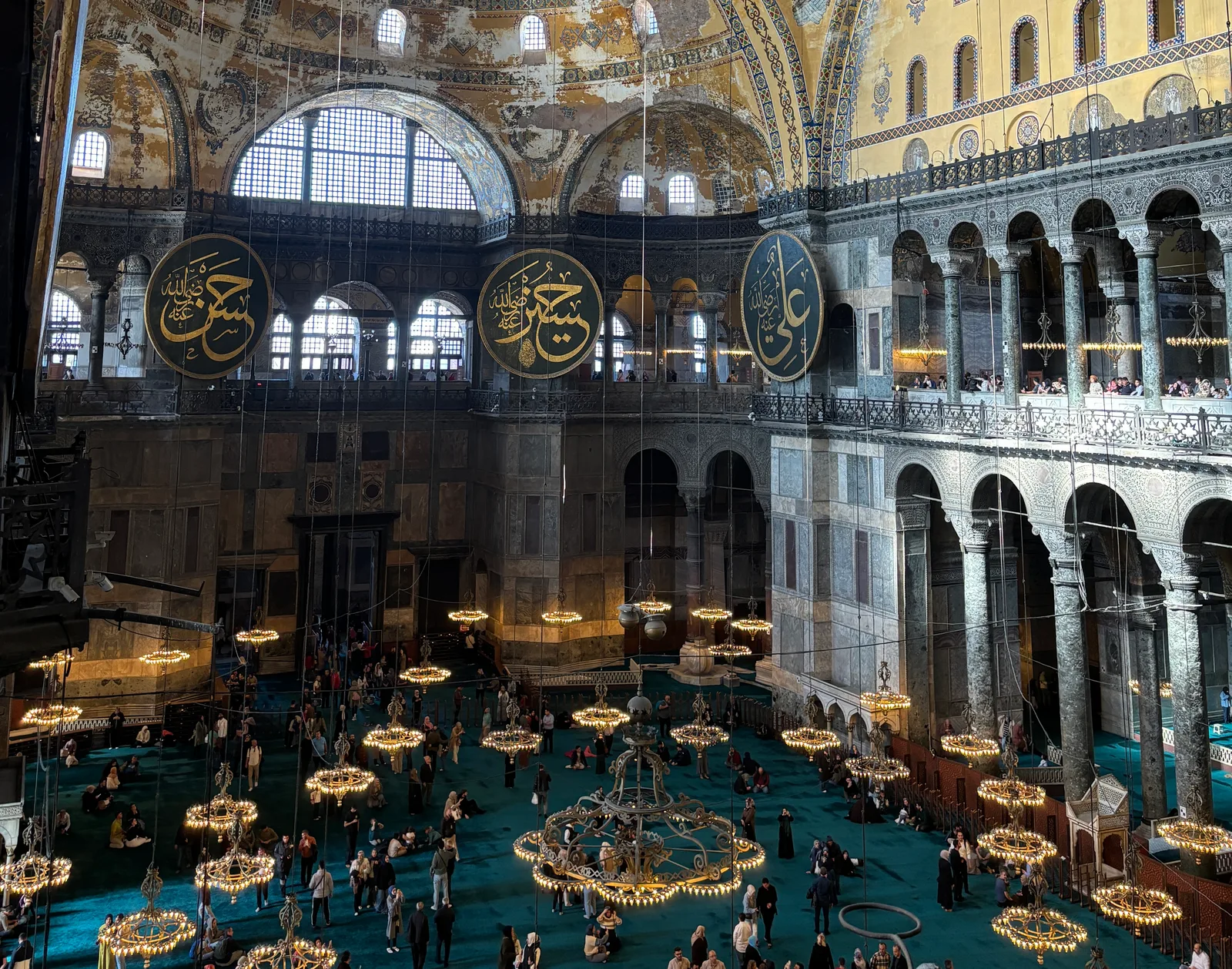
The most visible sign: Hagia Sophia, Istanbul’s iconic landmark, was “restored” as a mosque a few years ago, for Muslim worship, with oversight transferred from the Ministry of Culture and Tourism to the Directorate of Religious Affairs. And this year, the ground floor prayer area — previously open to all visitors — was restricted to Turkish Muslims; tourists were relegated to the upper gallery, looking down from a distance.
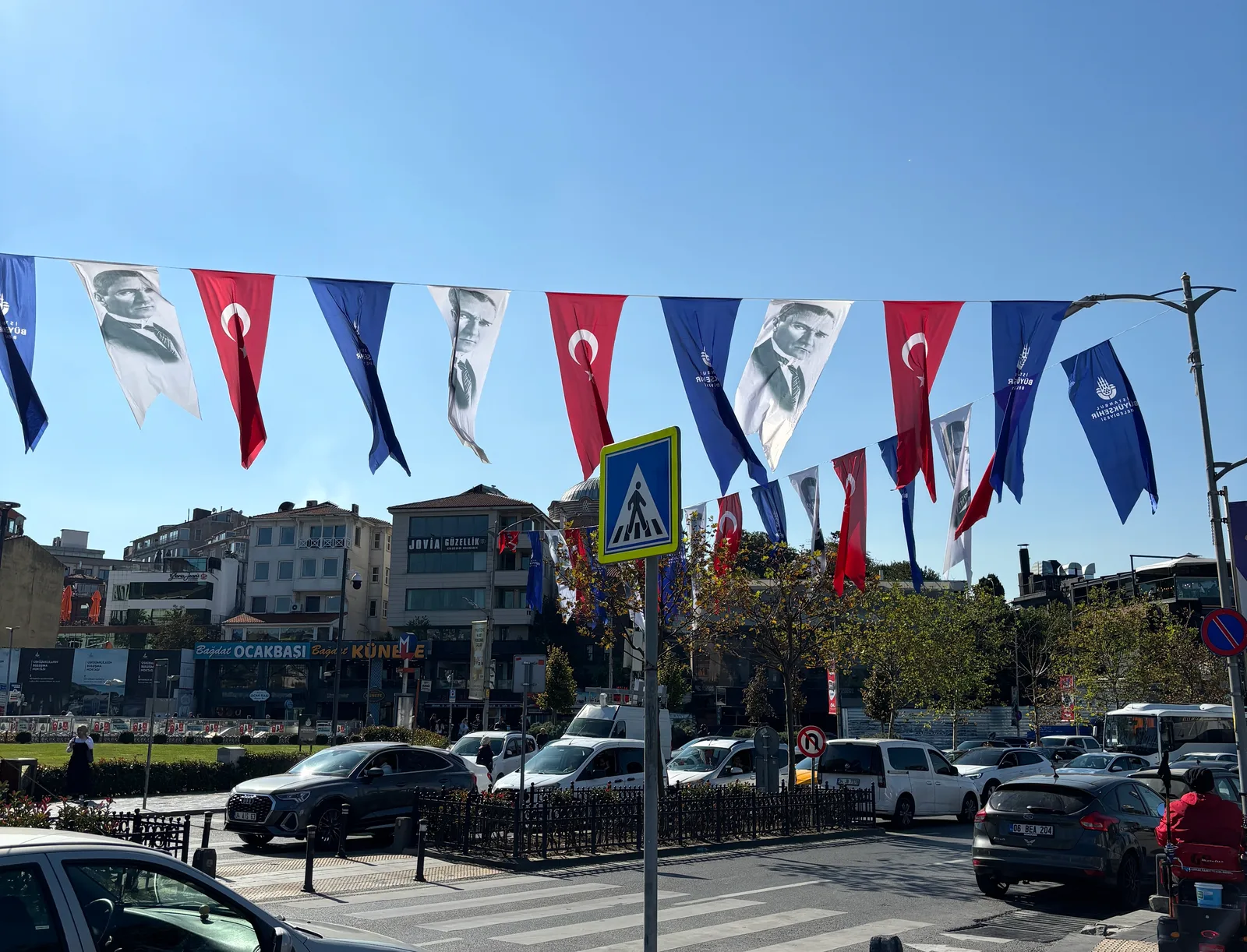
My visit to Turkey happened to coincide with the national holiday. Everywhere in the streets were flags and photographs of Erdoğan, the grand celebration ceremonies forming a stark contrast with the dire economic conditions.
But religion is only a tool for rallying support; Muslims from other countries are not included in the Turkish political narrative. Nationalism is a process of drawing lines. Only certain groups are entitled to the protection the state provides — and they are outside those lines.
Here and Now
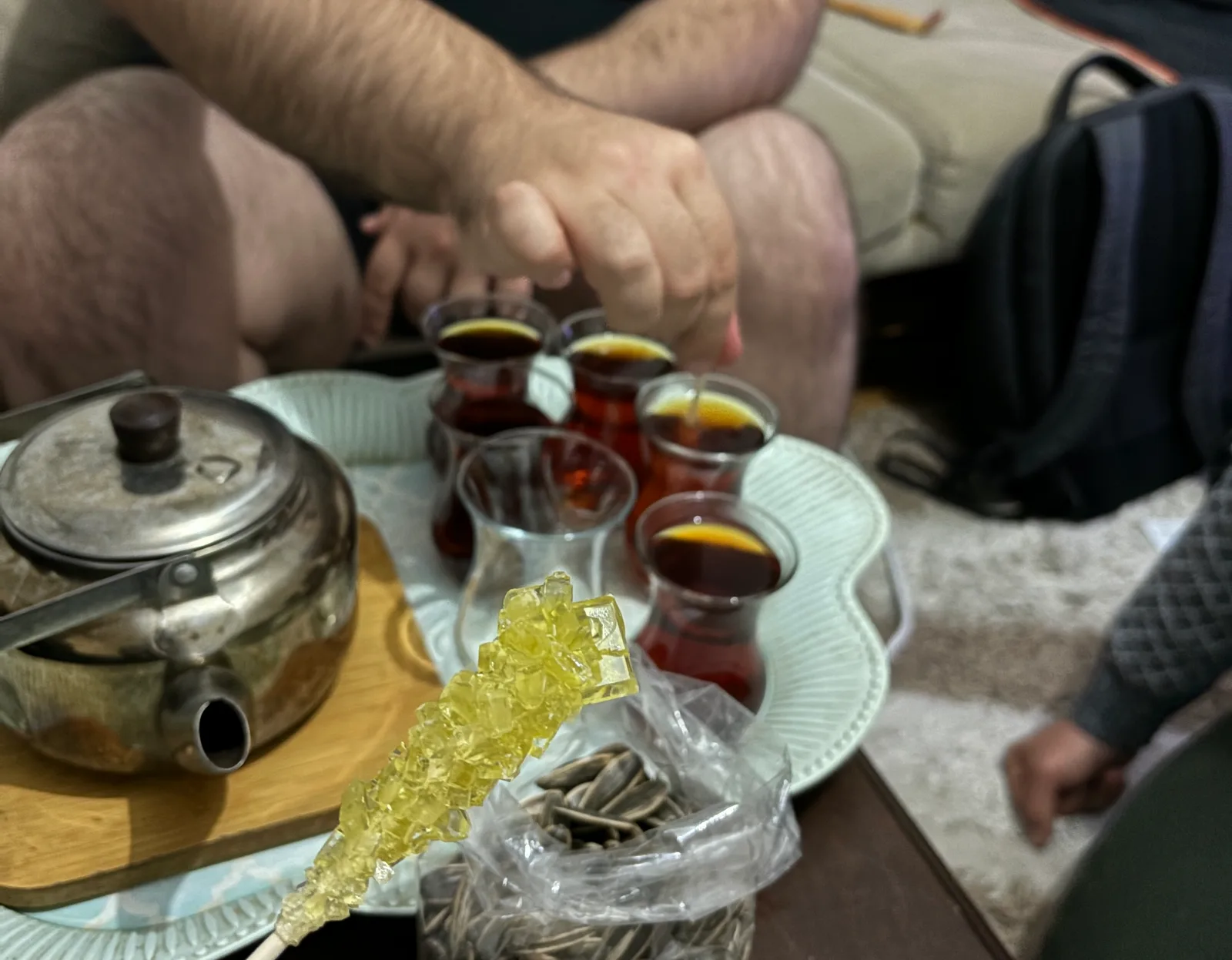
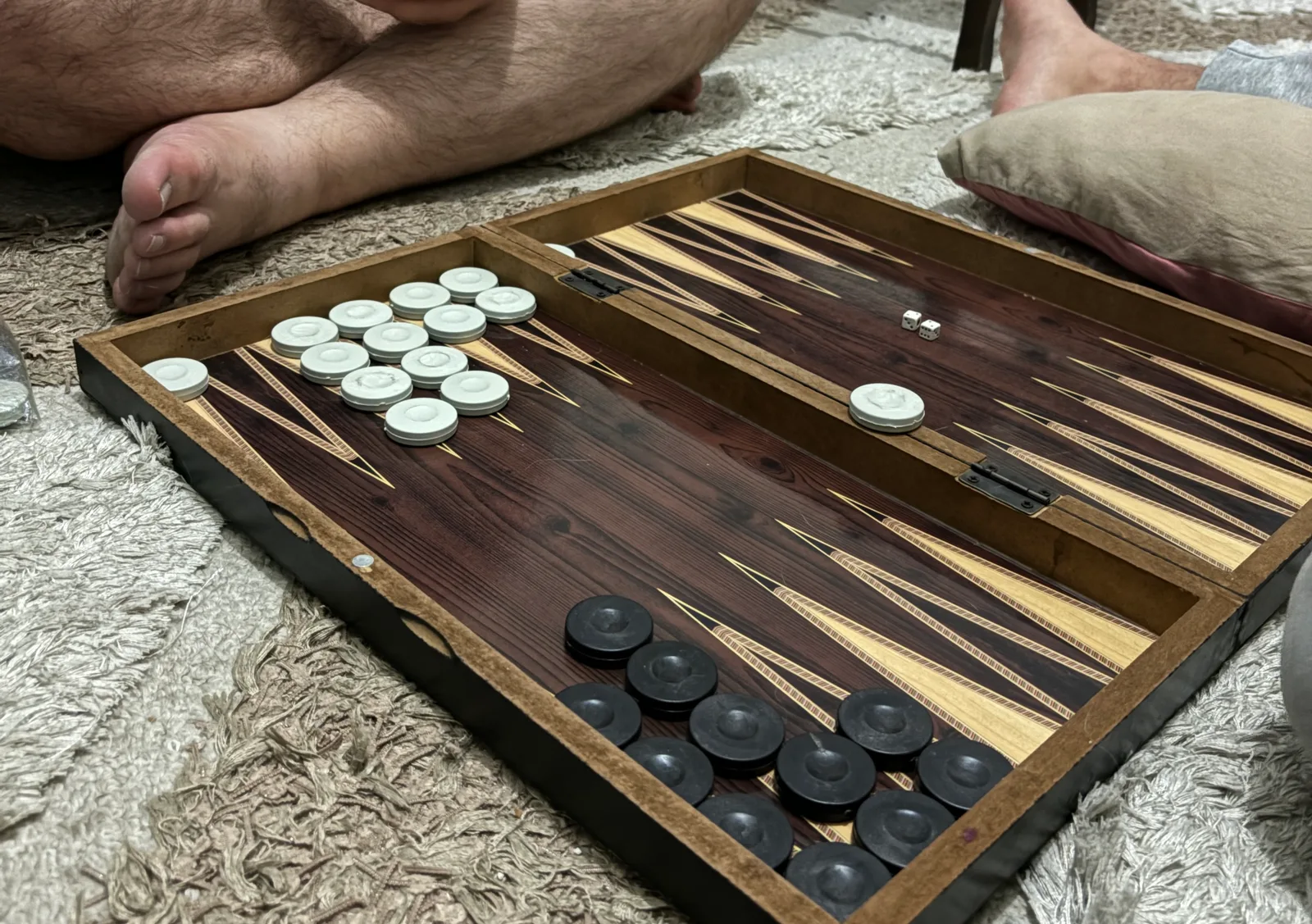
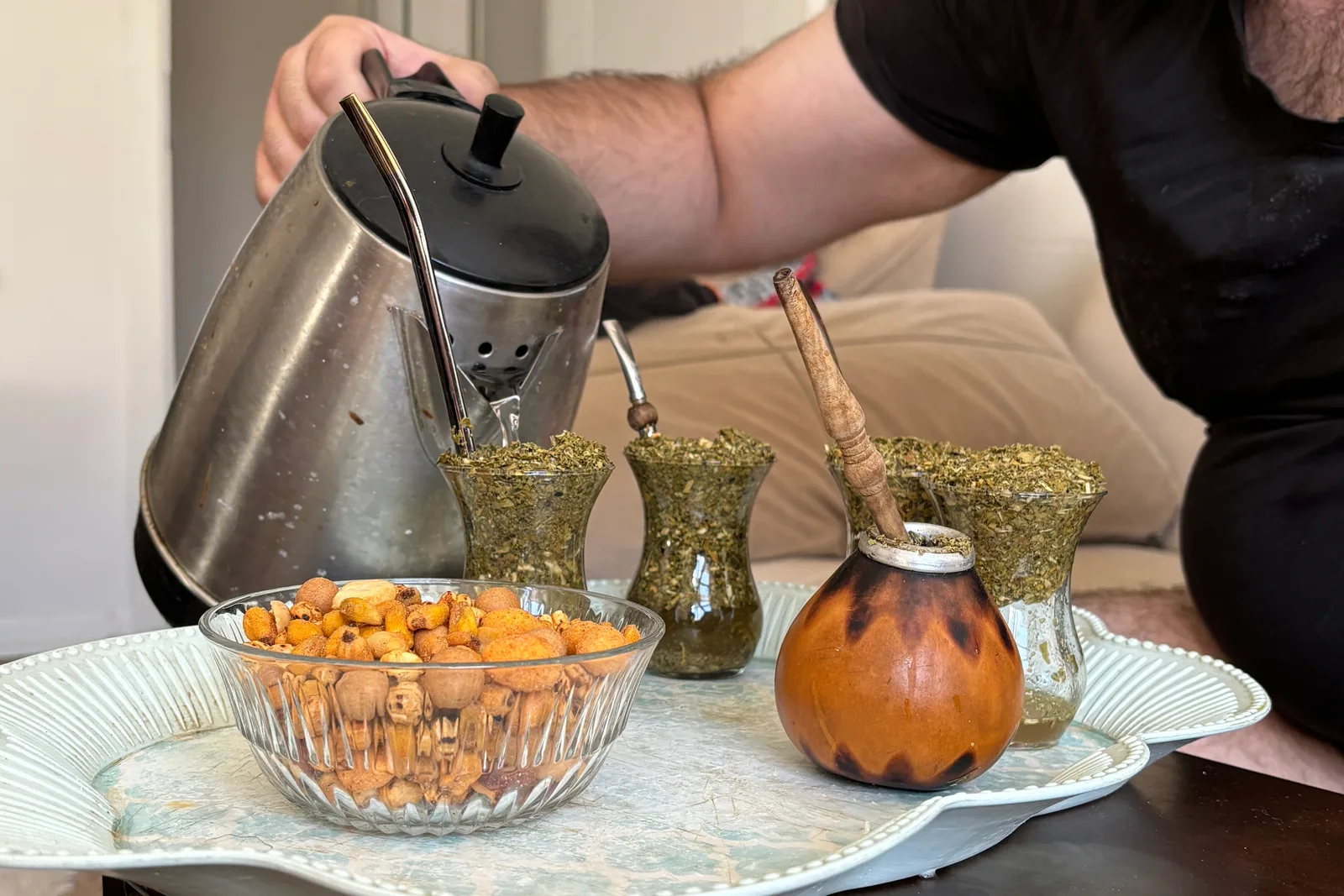
One evening, two new couchsurfers joined us — a couple, Lucie and Viktor. Yaman brewed a pot of Turkish tea and carefully added saffron sugar, then brought out nuts and sweets. We all settled onto the carpet. Lucie had once lived in Palestine and knew the Levantine culture well; she moved easily from topic to topic — food, religion, culture, travel.
“So there’s really no way to get a passport from another country?” Lucie asked, curious.
Very hard. Yaman said, helplessly. Even marrying a foreign citizen doesn’t allow you to change your passport under current rules; only your children could enjoy local citizenship. Where you’re born decides how freely you can move.
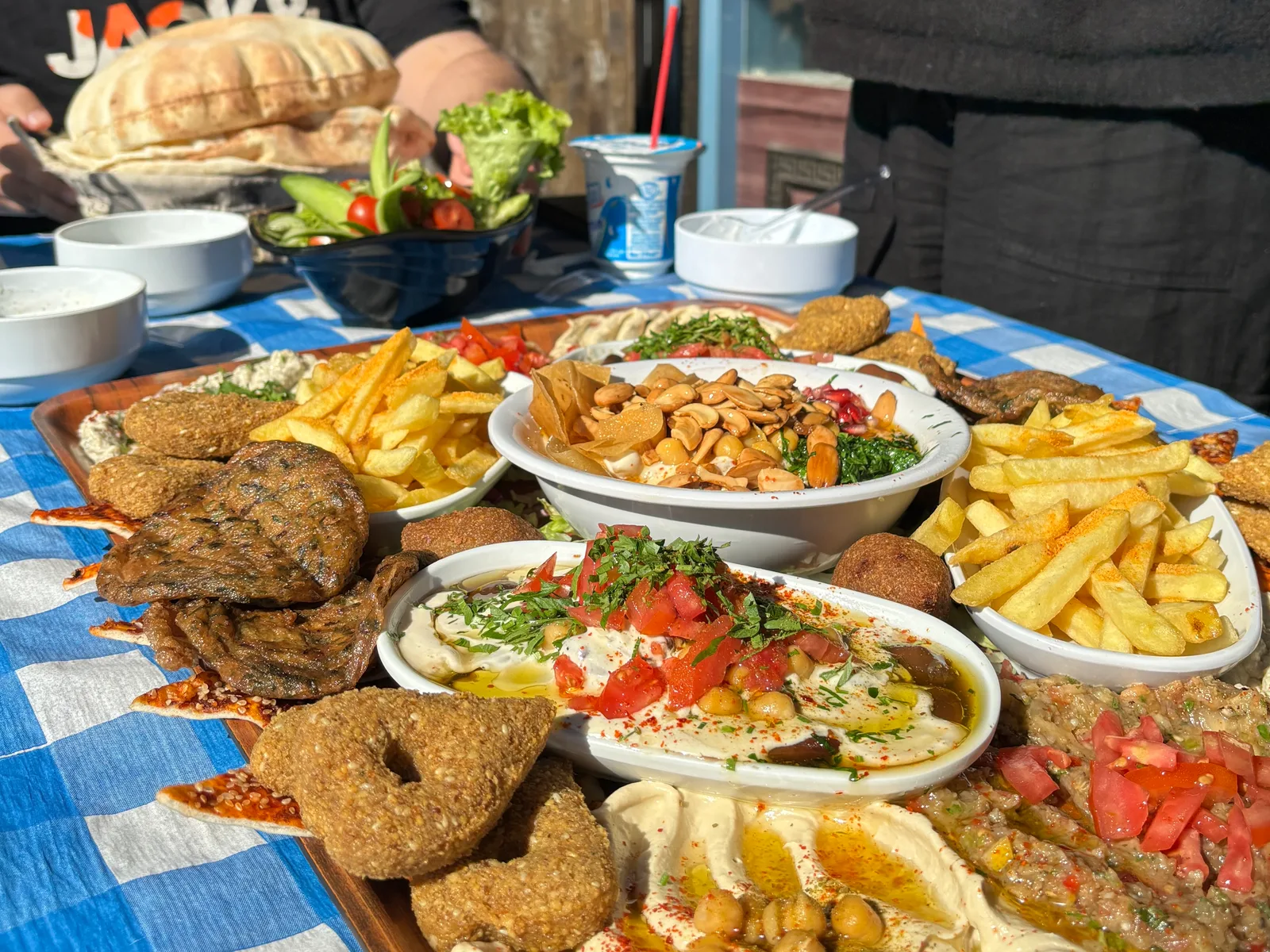
On the last morning, a Sunday when Yaman didn’t have work, he took our whole group to the Fatih neighborhood for Syrian food. A large wooden platter covered in hummus in different flavors and all kinds of unfamiliar dishes — he introduced each one: muhammara, lavash, labneh, fette, falafel, kibbeh, and more names I didn’t manage to write down. Everything was extraordinary.
Halfway through, Lucie half-jokingly proposed starting an online fundraiser to help them get the money to buy citizenship in another country — that way they’d have a chance to travel.
“Thank you for thinking of us,” Yaman said. But for him and Saad, both still had family in Syria. As the young men in their families, even if money fell from the sky, they would send it back home first — to improve the lives of their family members. Money should go where it’s most needed.
“What does your future look like? If the war ends, would you want to go back?” I finally asked the question I’d been holding.
I’m not sure, when that day comes, whether I’d choose to leave or to stay. After living in Turkey this long, my career and my friends are here — I don’t know which choice would be better. But what I hope for most is that Syrian passports will be recognized by more countries someday, and that we can have a truly legal identity — one that no one can question.
But because we have to focus on the present, it’s hard to find time to think about the future.
I was only a short-term visitor — and yet I received such extraordinary generosity and warmth. I could only be overwhelmed. Yaman always said, laughing, that it’s just Arab hospitality: give you food, brew a pot of tea, share conversation as if we were family.
Living in a foreign land, they had built a home beyond their homeland, and kept opening the door to whoever came to stay.
In the end, who is the host and who is the guest? I still have no answer.